
News&Articles
2026.05.28
Matsuo Basho Japan's greatest poets from the 17th century.
Hello. As June approaches, Japan is getting ready for the rainy season, known as Tsuyu.
Days of continuous rain might feel a bit gloomy, but Japanese people have long found a special beauty and poetic scenery in the rain. Today, I would like to share a famous haiku by Matsuo Basho, one of Japan's greatest poets from the 17th century.

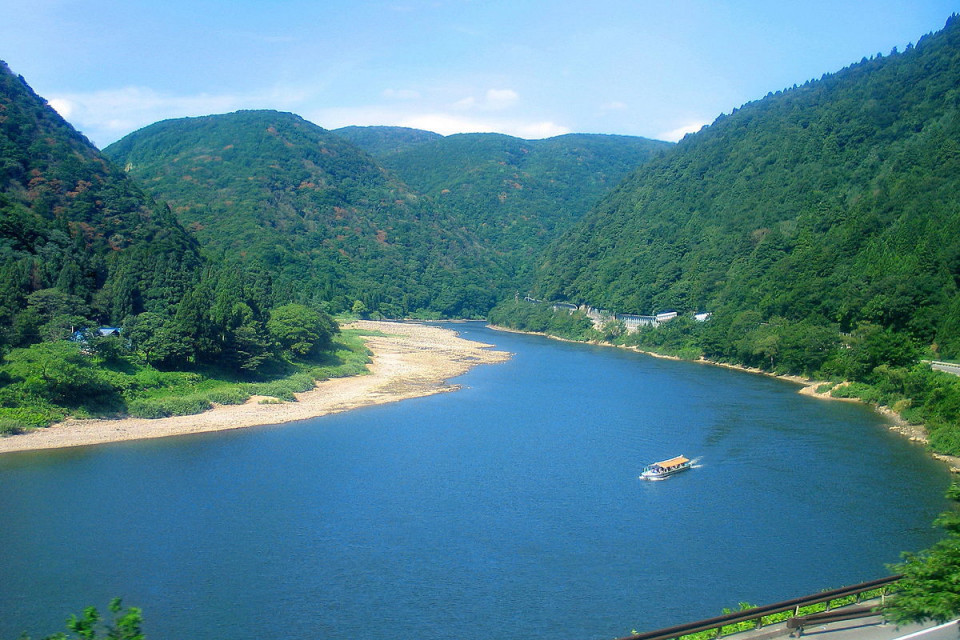
Samidare o / atsumete hayashi / Mogamigawa (Gathering the rains of May, how swift it flows, the Mogami River.)
This poem vividly captures the dynamic power of nature, describing how the continuous early summer rain swells the magnificent Mogami River, making it flow at an incredible speed.
But wait a moment—if the rainy season is in June, why is it written in kanji as "the rain of May" (五月雨 - Samidare)?
There is a secret behind this beautiful Japanese word. During the era when Basho lived, Japan used the lunar calendar, and the 5th month of the old calendar perfectly overlaps with our current June and July. Furthermore, the sound "Sa" indicates the 5th month, while also being a word related to the sacred act of planting rice.
In other words, the word Samidare actually means the "blessed rain" falling from the sky to nourish the rice fields.
When it rains, it is easy to feel down and gloomy. However, if you keep this perspective in mind, you might just be able to find the same poetic beauty in the rain that Basho felt centuries ago.