
News&Articles
2026.06.02
"Boshu" and the Scenery of Rice Planting
The Beautiful Japanese Season of "Boshu" and the Scenery of Rice Planting
Good morning! With the daytime heat starting to feel a lot like summer, it feels as though a fiercely hot summer is just around the corner.
Even as the seasons change like this, Japan has its own unique way of marking the time. Around June 5th, we enter a traditional season known as Boshu (芒種). I would love for the expats and foreign residents here to truly grasp and enjoy these subtle shifts in the Japanese seasons, so today, I want to introduce you to Boshu.
First, the kanji character Bo (芒), also read as nogi, refers to the awn—the needle-like bristles or beards at the tip of grains in the grass family, such as rice and wheat. The character Shu (種) simply means seeds. Therefore, Boshu literally means the time to sow the seeds of awned grains like rice and wheat. In simpler Japanese terms, it is the season of Taue (rice planting).
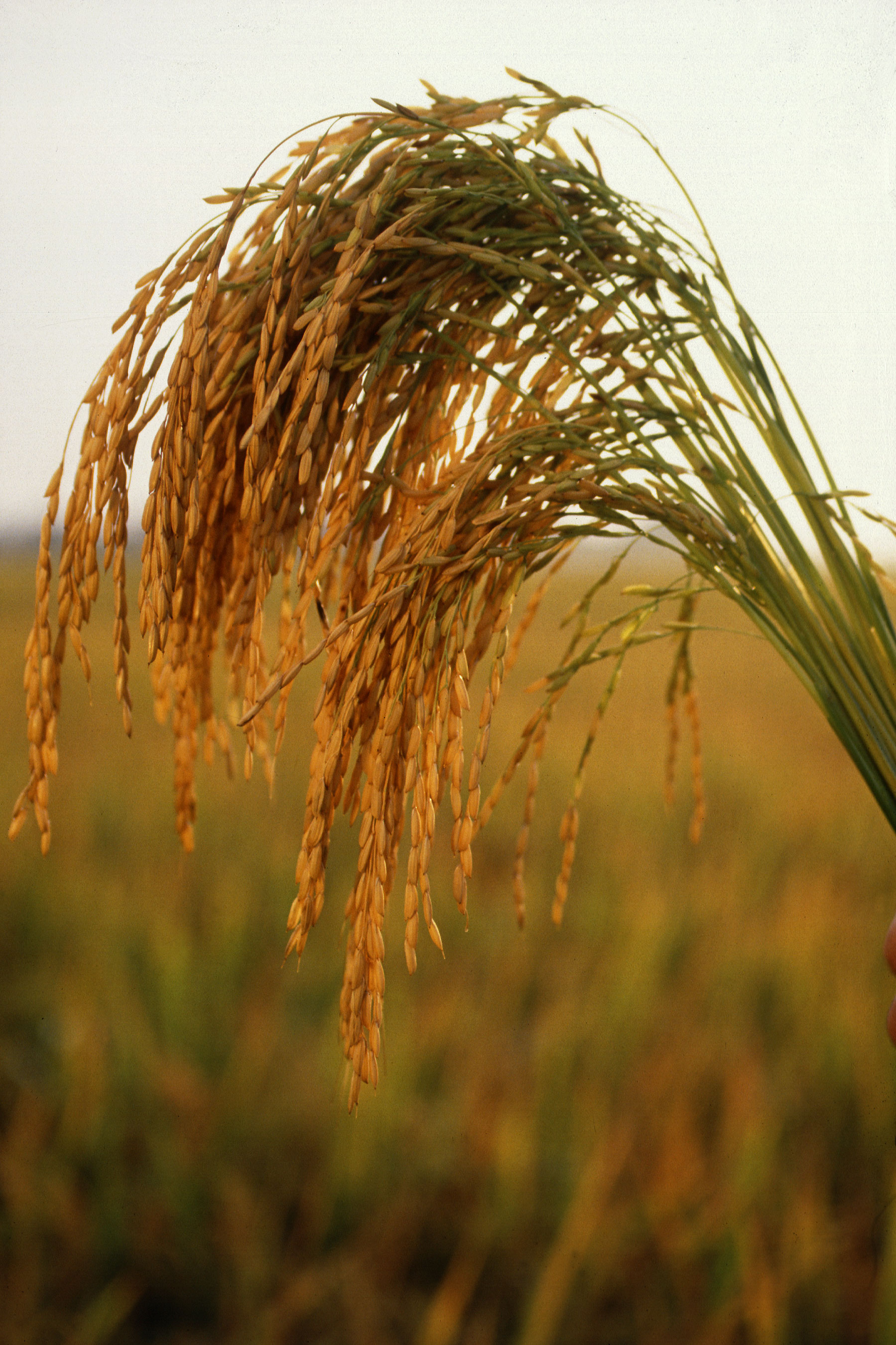
Japan is a country with high heat and humidity. Soon, the somewhat gloomy rainy season will begin, but it is precisely this hot and humid climate that makes the land perfect for rice cultivation, yielding delicious rice. Because the country is not just flat plains but also heavily mountainous, terraced rice paddies (Tanada) carved into the hillsides are a characteristic Japanese landscape.
With advanced irrigation techniques and centuries of rice-growing knowledge, Japan may no longer be an agriculture-centric society, but growing rice still holds a deeply symbolic and cultural significance for us. Because of this, the act of Taue (rice planting) is very special.
During this season, you can also witness many other changes in nature. Plums begin to change color, fireflies flutter about in the night, and hydrangeas bloom beautifully in full glory.
In modern times, due to climate change and advancements in agricultural technology, actual rice planting often takes place a bit earlier, from mid-to-late May. However, in the past, people would look at natural signs—like the plums changing color—and brace themselves, thinking, "Alright, the great work of rice planting is finally about to begin."
I would like to share a Waka poem from the Manyoshu, Japan's oldest anthology of poetry, that captures the lively scenery of early summer rice planting:
Ashihiki no / yama no konure no / hototogisu Taue no saotome / yobidoyomosumo
This poem describes a scene: "High in the treetops of the mountains, a lesser cuckoo (hototogisu), the bird that announces early summer, is singing. Its voice echoes all around, as if calling out 'Do your best!' to the young women planting rice in the fields."

Reading this short poem, you can truly understand how important rice planting was in ancient Japan. The contrast between the cuckoo's echoing song from the mountains and the figures of the women working covered in mud is highly visual and nostalgic, allowing us to picture the beautiful, original landscapes of Japan.
I would be delighted if you, too, could feel the presence of this beautiful Japanese tradition of rice planting during this season.