
News&Articles
2026.06.12
The Art of Amagoi
The Art of Amagoi: Embracing Japan's Rainy Season
The rainy season has set in, and we are seeing more rainy days. That said, today and yesterday were quite pleasantly sunny, but we are still a long way from the end of the rainy season, so I expect plenty more rain to come.
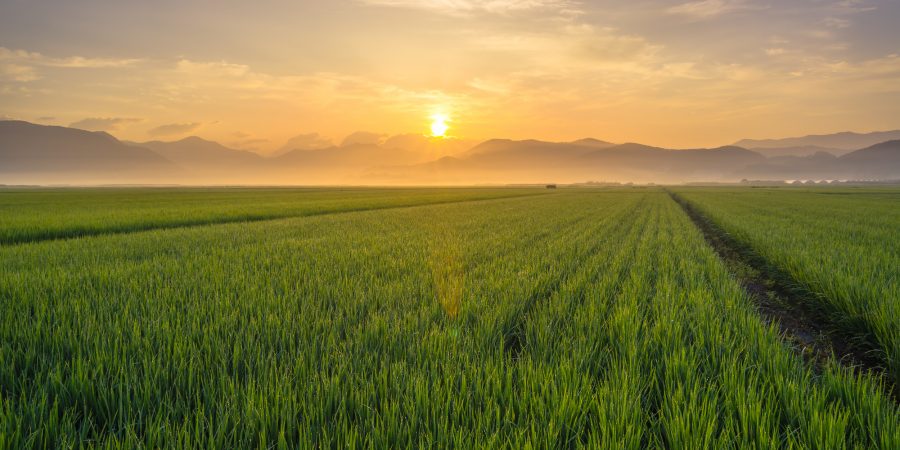
How have people living in Japan historically interacted with nature during this time of year? For us modern working adults, rain can often be a nuisance. However, on the flip side, without rain, we wouldn't be able to grow rice. It is precisely because of Japan's hot and humid climate that we can produce such delicious rice.
Historically, during times of drought when no rain would fall, people in Japan performed a ritual called Amagoi (praying for rain). I'd like to introduce a little bit about this tradition.
When people wanted rain, they would pray to the Ryujin (Dragon Gods). Dragons are deeply connected to water and are considered the deities that control it. The origin of Amagoi involved offering a black horse to these Dragon Gods.
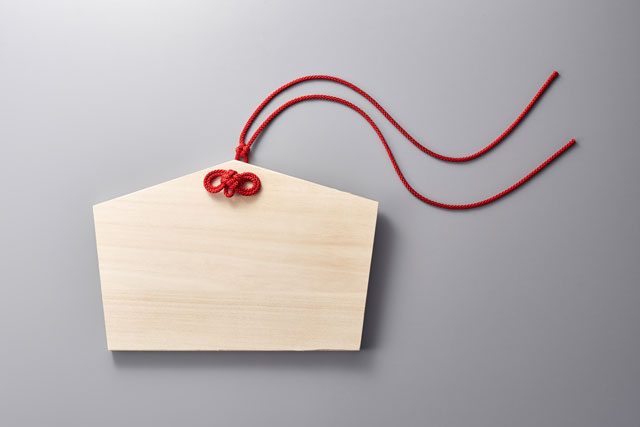
What evolved from this practice is the Ema (wooden wishing plaques) you see at shrines today. Even though they "offered a horse," they didn't offer a real one. Instead, they offered wooden plaques with pictures of horses drawn on them. This is the exact origin of modern-day Ema.
Have you ever seen a Teru Teru Bozu? It's a simple doll made from tissue or a handkerchief to pray for sunny weather. But did you know that if you hang it upside down, it's called a Fure Fure Bozu or Ruka Ruka Bozu in some regions? Wishing for rain this way might just be a modern form of Amagoi.
The constant rain during this season can get you down, but there's a fascinating irony in the fact that without it, we wouldn't be able to eat delicious rice. I hope you can enjoy Japan's hot, humid, and rainy season, even just a little bit, by thinking of it as the source of our amazing rice!