
News&Articles
2026.07.18
Strategic Game "Shogi"
Japan's Strategic Game "Shogi": Unique Rules Not Found in Chess and the Japanese Mindset
Hello everyone. This is Ishio from Yokohama Meido Acupuncture Clinic. Today, I would like to change things up a bit. We'll take a break from medical topics, and instead, I'll talk about my personal hobby: Shogi.
Shogi is often translated as "Japanese Chess." While the basic rule of cornering the opponent's king to win is exactly the same, there is one highly unique and decisive rule that Western chess does not have.
That is the rule where you can take pieces you've captured from your opponent and drop them back onto the board as your own allies.
Of course, the rules for dropping pieces can be a bit complex. There are specific forbidden moves, such as Nifu (placing two unpromoted pawns in the same vertical file) or placing a Knight in a position where it has no legal moves left. However, this ability to reuse captured pieces as your own allies is frequently discussed in the context of human resource management and business applications.
There is a famous anecdote regarding General Douglas MacArthur, the Supreme Commander of the Allied Powers. When he saw Shogi being played, he supposedly said, "This is a very barbaric board game that uses captured prisoners as your own soldiers. It leads to prisoner abuse and should be banned."
The legend of the Japanese Shogi world, Master Kozo Masuda, bravely stood up to this. He countered MacArthur by saying:
"Chess, which cannot reuse captured personnel and simply kills them off, is the barbaric game. Japanese Shogi pays careful attention to the treatment of prisoners. It reflects the Japanese spirit of not carelessly killing capable individuals, even if they were enemies, but rather finding the right place to utilize their skills."
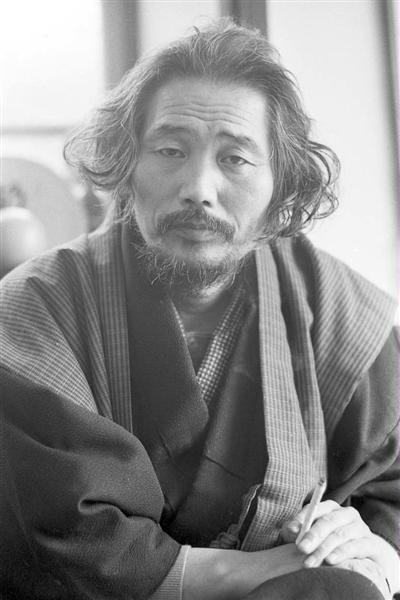
While the historical accuracy of this exact exchange is sometimes debated, it is an episode that perfectly illustrates the distinct characteristics and philosophies behind both games.
A Philosophy of "The Right Person in the Right Place" It's a philosophy not of destruction, but of putting the right person in the right place. Rather than simply eliminating the enemy's forces, you must understand the unique abilities of each piece and figure out where to place it so it can shine the brightest. Through the game, you are practicing true talent management.
Even a small piece that can only move forward one step (a Pawn) can become the decisive blow that defeats the strongest piece, depending on the timing and placement. This philosophy deeply connects with modern business strategy.
I have always deeply loved the game of Shogi. When I ride the train, I play online matches, or I watch professional games to learn the latest strategies. For people from overseas, especially those who already play chess, it is a very accessible mind sport. I highly encourage you to give it a try.
In my next article, I will introduce "Chaturanga," the historical background that reveals how Chess and Shogi actually share the exact same ancient ancestor.