<?xml version="1.0" encoding="UTF-8" ?>

<rdf:RDF
 xmlns="http://purl.org/rss/1.0/"
 xmlns:rdf="http://www.w3.org/1999/02/22-rdf-syntax-ns#"
 xmlns:dc="http://purl.org/dc/elements/1.1/"
 xmlns:content="http://purl.org/rss/1.0/modules/content/"
 xml:lang="ja"
>

<channel rdf:about="https://yc-japan.com/articles/feed/rss10/">
<title>Your companion in Japan News&amp;Articles</title>
<link>https://yc-japan.com/articles/</link>
<description>News&amp;Articles</description>
<dc:language>ja</dc:language>
<dc:date>2026-04-15T19:49:31+09:00</dc:date>
<items>
<rdf:Seq>
<rdf:li rdf:resource="https://yc-japan.com/articles/2026/03/89720/" />
<rdf:li rdf:resource="https://yc-japan.com/articles/2026/03/89719/" />
<rdf:li rdf:resource="https://yc-japan.com/articles/2026/03/89718/" />
<rdf:li rdf:resource="https://yc-japan.com/articles/2026/03/89717/" />
<rdf:li rdf:resource="https://yc-japan.com/articles/2026/03/89716/" />
<rdf:li rdf:resource="https://yc-japan.com/articles/2026/03/89715/" />
<rdf:li rdf:resource="https://yc-japan.com/articles/2026/03/89714/" />
<rdf:li rdf:resource="https://yc-japan.com/articles/2026/03/89713/" />
<rdf:li rdf:resource="https://yc-japan.com/articles/2026/02/89712/" />
<rdf:li rdf:resource="https://yc-japan.com/articles/2026/02/89711/" />
<rdf:li rdf:resource="https://yc-japan.com/articles/2026/02/89710/" />
<rdf:li rdf:resource="https://yc-japan.com/articles/2026/02/89709/" />
<rdf:li rdf:resource="https://yc-japan.com/articles/2026/02/89708/" />
<rdf:li rdf:resource="https://yc-japan.com/articles/2026/02/89707/" />
<rdf:li rdf:resource="https://yc-japan.com/articles/2026/02/89706/" />
<rdf:li rdf:resource="https://yc-japan.com/articles/2026/02/89705/" />
<rdf:li rdf:resource="https://yc-japan.com/articles/2026/02/89704/" />
<rdf:li rdf:resource="https://yc-japan.com/articles/2026/02/89703/" />
<rdf:li rdf:resource="https://yc-japan.com/articles/2026/02/89702/" />
<rdf:li rdf:resource="https://yc-japan.com/articles/2026/02/89701/" />
</rdf:Seq>
</items>
</channel>

<item rdf:about="https://yc-japan.com/articles/2026/03/89720/">
<title> The Secret to Japanese Wellness: The Healing Power of &#34;Ofuro&#34; (Bath) Culture</title>
<link>https://yc-japan.com/articles/2026/03/89720/</link>
<description>&#160;The Secret to Japanese Wellness: The Healing Power of &#34;Ofuro&#34; (Bath) Culture
In Western countries, taking a quick morning shower is the standard routine. However, in Japan, taking a long, relaxing soak in the evening is a daily ritual.
When you first arrived in Japan, did you ever wonder, &#34;Why do even the smallest apartments have such deep, well-equipped bathtubs?&#34; Actually, there are profound reasons behind this, deeply rooted in the Japanese climate and our approach to health maintenance.
While many global business professionals take a quick morning shower to energize for the busy day ahead, in Japan, the daily home bath is an ingrained habit specifically designed for the process of recovering from fatigue and resetting both mind and body.
Here is why taking a bath is so effective for your wellness:
1. The Detoxifying Power of Heat Soaking in a warm bath raises your body temperature, expands your blood vessels, and dramatically improves blood flow. This provides a detoxifying effect, washing away the fatigue substances that build up in stiff muscles after long hours of desk work.
2. Natural Massage via Hydrostatic Pressure When you immerse yourself in a bath, water pressure is applied to your entire body. This acts like a gentle, full-body massage and is especially perfect for relieving leg swelling (edema) after a long day.
3. Ultimate Relaxation through Buoyancy In the water, your body weight becomes about one-tenth of its normal weight. By being released from gravity, your brain and joints recognize that &#34;it&#039;s okay to rest now.&#34; This physical relief allows your autonomic nervous system to effortlessly switch into a deep relaxation mode.
4. The Secret to Perfect Sleep In terms of temperature changes, the gradual drop in your core body temperature after taking a bath helps you fall asleep at the absolute perfect timing. This is one of the most significant benefits of the evening bath routine.
Beyond the Home: &#34;Onsen&#34; (Hot Springs) In addition to the daily Ofuro, Japan is blessed with Onsen (natural hot springs). There are many famous hot spring areas easily accessible from Tokyo, such as Atami, or if you stretch your trip a bit further, Kusatsu Onsen in Gunma. You can find a wide variety of amazing hot springs all over the country.
How to Take the Perfect Japanese Bath Let&#039;s look at the practical way to enjoy an Ofuro:

 
 Temperature: 38&#176;C to 40&#176;C (100&#176;F - 104&#176;F) is optimal for relaxation.
 
 
 Duration: Soaking for about 10 to 15 minutes is ideal.
 
 
 Hydration: Always remember to drink a glass of water before and after bathing to stay hydrated!
 

Many people coming from abroad might be used to just taking a quick shower, but while you are in Japan, please give the Japanese Ofuro a try tonight. You will surely feel a refreshing difference in your rhythm when you wake up tomorrow morning!


</description>
<dc:creator></dc:creator>
<dc:subject></dc:subject>
<dc:date>2026-03-12T07:00:00+09:00</dc:date>
<content:encoded><![CDATA[
<div id="cms-editor-minieditor-sin177326677016113000" class="cms-content-parts-sin177326677016119500"><p>&#160;<b data-path-to-node="4" data-index-in-node="0" style="font-family: &#34;Helvetica Neue&#34;, Helvetica, &#34;Hiragino Sans&#34;, &#34;Hiragino Kaku Gothic ProN&#34;, Arial, &#34;Yu Gothic&#34;, Meiryo, sans-serif; font-size: 1rem; letter-spacing: 0.1rem;">The Secret to Japanese Wellness: The Healing Power of &#34;Ofuro&#34; (Bath) Culture</b></p>
<p data-path-to-node="5">In Western countries, taking a quick morning shower is the standard routine. However, in Japan, taking a long, relaxing soak in the evening is a daily ritual.</p>
<p data-path-to-node="6">When you first arrived in Japan, did you ever wonder, &#34;Why do even the smallest apartments have such deep, well-equipped bathtubs?&#34; Actually, there are profound reasons behind this, deeply rooted in the Japanese climate and our approach to health maintenance.</p>
<p data-path-to-node="7">While many global business professionals take a quick morning shower to energize for the busy day ahead, in Japan, the daily home bath is an ingrained habit specifically designed for the process of recovering from fatigue and resetting both mind and body.</p>
<p data-path-to-node="8">Here is why taking a bath is so effective for your wellness:</p>
<p data-path-to-node="9"><b data-path-to-node="9" data-index-in-node="0">1. The Detoxifying Power of Heat</b> Soaking in a warm bath raises your body temperature, expands your blood vessels, and dramatically improves blood flow. This provides a detoxifying effect, washing away the fatigue substances that build up in stiff muscles after long hours of desk work.</p>
<p data-path-to-node="10"><b data-path-to-node="10" data-index-in-node="0">2. Natural Massage via Hydrostatic Pressure</b> When you immerse yourself in a bath, water pressure is applied to your entire body. This acts like a gentle, full-body massage and is especially perfect for relieving leg swelling (edema) after a long day.</p>
<p data-path-to-node="11"><b data-path-to-node="11" data-index-in-node="0">3. Ultimate Relaxation through Buoyancy</b> In the water, your body weight becomes about one-tenth of its normal weight. By being released from gravity, your brain and joints recognize that &#34;it's okay to rest now.&#34; This physical relief allows your autonomic nervous system to effortlessly switch into a deep relaxation mode.</p>
<p data-path-to-node="12"><b data-path-to-node="12" data-index-in-node="0">4. The Secret to Perfect Sleep</b> In terms of temperature changes, the gradual drop in your core body temperature after taking a bath helps you fall asleep at the absolute perfect timing. This is one of the most significant benefits of the evening bath routine.</p>
<p data-path-to-node="13"><b data-path-to-node="13" data-index-in-node="0">Beyond the Home: &#34;Onsen&#34; (Hot Springs)</b> In addition to the daily <i data-path-to-node="13" data-index-in-node="64">Ofuro</i>, Japan is blessed with <i data-path-to-node="13" data-index-in-node="93">Onsen</i> (natural hot springs). There are many famous hot spring areas easily accessible from Tokyo, such as Atami, or if you stretch your trip a bit further, Kusatsu Onsen in Gunma. You can find a wide variety of amazing hot springs all over the country.</p>
<p data-path-to-node="14"><b data-path-to-node="14" data-index-in-node="0">How to Take the Perfect Japanese Bath</b> Let's look at the practical way to enjoy an <i data-path-to-node="14" data-index-in-node="82">Ofuro</i>:</p>
<ul data-path-to-node="15">
    <li>
    <p data-path-to-node="15,0,0"><b data-path-to-node="15,0,0" data-index-in-node="0">Temperature:</b> 38&#176;C to 40&#176;C (100&#176;F - 104&#176;F) is optimal for relaxation.</p>
    </li>
    <li>
    <p data-path-to-node="15,1,0"><b data-path-to-node="15,1,0" data-index-in-node="0">Duration:</b> Soaking for about 10 to 15 minutes is ideal.</p>
    </li>
    <li>
    <p data-path-to-node="15,2,0"><b data-path-to-node="15,2,0" data-index-in-node="0">Hydration:</b> Always remember to drink a glass of water before and after bathing to stay hydrated!</p>
    </li>
</ul>
<p data-path-to-node="16">Many people coming from abroad might be used to just taking a quick shower, but while you are in Japan, please give the Japanese <i data-path-to-node="16" data-index-in-node="129">Ofuro</i> a try tonight. You will surely feel a refreshing difference in your rhythm when you wake up tomorrow morning!</p>
<div id="gtx-trans" style="position: absolute; left: -25px; top: -30.6667px;">
<div class="gtx-trans-icon"></div>
</div></div>
]]></content:encoded>
</item>

<item rdf:about="https://yc-japan.com/articles/2026/03/89719/">
<title> &#34;Wait, I didn’t order this!&#34; The Secret of Japanese Izakayas</title>
<link>https://yc-japan.com/articles/2026/03/89719/</link>
<description>&#160;
&#34;Wait, I didn&#8217;t order this!&#34; The Secret of Japanese Izakayas
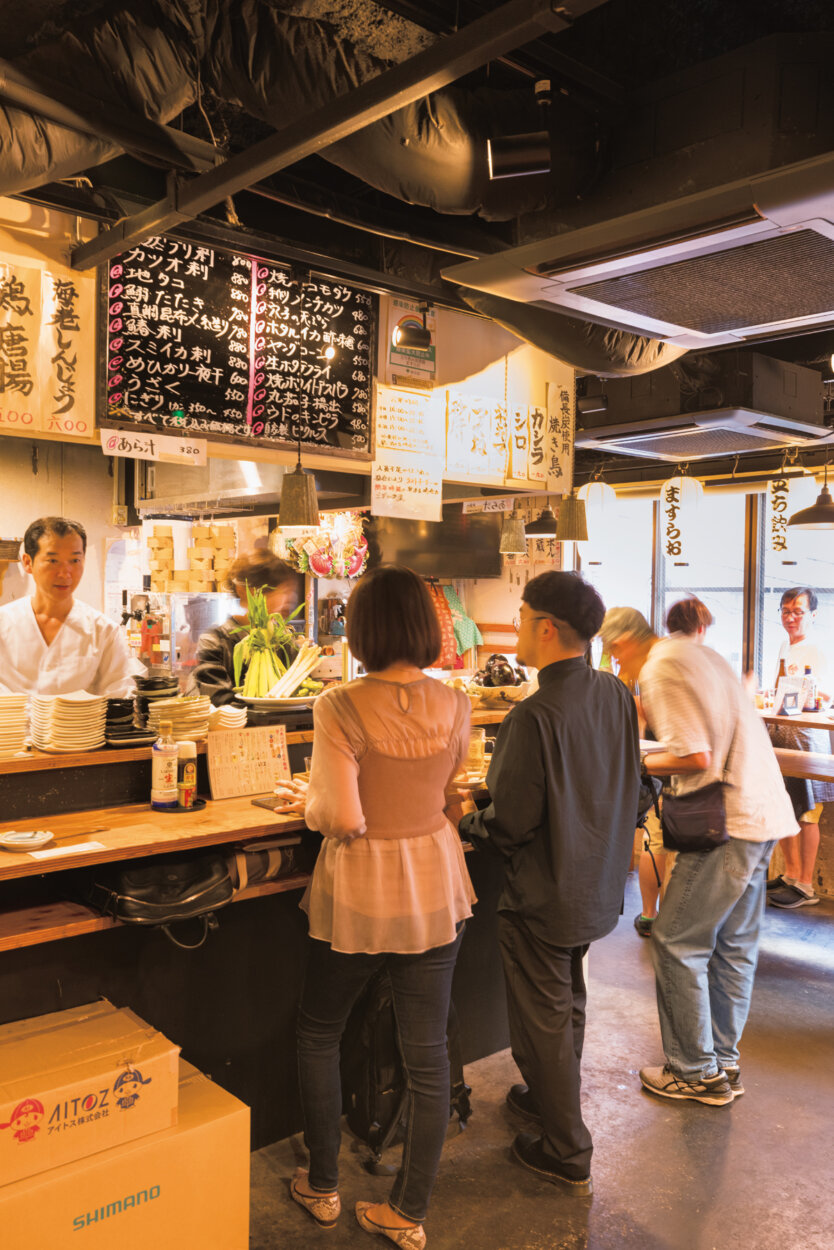
When you visit Japan, going to a local Izakaya (Japanese pub) is an absolute must. With local food, local drinks, and a lively atmosphere, it&#8217;s full of unforgettable charm and experiences you just can&#039;t get at regular restaurants.
However, as soon as you take your seat, the staff might bring you a small bowl of food you didn&#8217;t order. And later, you might notice a mysterious charge added to your bill.
But please, don&#039;t panic! It is not a scam. This is a traditional Japanese system called &#34;Otoshi&#34;.
What exactly is &#34;Otoshi&#34;?
Simply put, Otoshi is a combination of a table charge and a welcome appetizer. At most Izakayas, it costs about 300 to 500 yen per person. The dish itself is generally something small and seasonal, like edamame, simmered vegetables, or a small portion of fish.
In Japan, there is a strong culture of saying &#34;Kanpai!&#34; (Cheers!) the moment your first drinks arrive. But cooking the main dishes takes time. Instead of making you wait with nothing to eat, the restaurant serves a quick, simple dish you can nibble on with your first sip of beer. This practice was actually born from the heart of Japanese Omotenashi (hospitality).
Basically, Otoshi is mandatory at Japanese Izakayas. Please think of it as an entrance fee to enjoy the wonderful local atmosphere.
A Local&#039;s Perspective
To be honest, even among Japanese people, Otoshi gets mixed reviews and preferences are divided.
Personally, my favorite is when they serve a little bit of sashimi. Even if the portion is small, it&#8217;s highly satisfying! Besides that, you&#039;ll find a wide variety of dishes, such as Sunomono (vinegared dishes) or Umekyu (fresh cucumber with plum paste).
I highly encourage everyone to enjoy the unique Otoshi at various Izakayas. Grab a beer, and have a wonderful night just like a true local!
If you are in Yokohama, the Noge area is highly recommended for experiencing this authentic Izakaya culture. Cheers! 🍻


</description>
<dc:creator></dc:creator>
<dc:subject></dc:subject>
<dc:date>2026-03-11T06:55:00+09:00</dc:date>
<content:encoded><![CDATA[
<div id="cms-editor-minieditor-sin177318012794328300" class="cms-content-parts-sin177318012794334800"><p>&#160;</p>
<h2 data-path-to-node="4">&#34;Wait, I didn&#8217;t order this!&#34; The Secret of Japanese Izakayas</h2>
<p data-path-to-node="5">When you visit Japan, going to a local Izakaya (Japanese pub) is an absolute must. With local food, local drinks, and a lively atmosphere, it&#8217;s full of unforgettable charm and experiences you just can't get at regular restaurants.</p>
<p data-path-to-node="6">However, as soon as you take your seat, the staff might bring you a small bowl of food you didn&#8217;t order. And later, you might notice a mysterious charge added to your bill.</p>
<p data-path-to-node="7">But please, don't panic! It is not a scam. This is a traditional Japanese system called <b data-path-to-node="7" data-index-in-node="88">&#34;Otoshi&#34;</b>.</p>
<h3 data-path-to-node="8">What exactly is &#34;Otoshi&#34;?</h3>
<p data-path-to-node="9">Simply put, Otoshi is a combination of a table charge and a welcome appetizer. At most Izakayas, it costs about 300 to 500 yen per person. The dish itself is generally something small and seasonal, like edamame, simmered vegetables, or a small portion of fish.</p>
<p data-path-to-node="10">In Japan, there is a strong culture of saying <i data-path-to-node="10" data-index-in-node="46">&#34;Kanpai!&#34;</i> (Cheers!) the moment your first drinks arrive. But cooking the main dishes takes time. Instead of making you wait with nothing to eat, the restaurant serves a quick, simple dish you can nibble on with your first sip of beer. This practice was actually born from the heart of Japanese <i data-path-to-node="10" data-index-in-node="340">Omotenashi</i> (hospitality).</p>
<p data-path-to-node="11">Basically, Otoshi is mandatory at Japanese Izakayas. Please think of it as an entrance fee to enjoy the wonderful local atmosphere.</p>
<h3 data-path-to-node="12">A Local's Perspective</h3>
<p data-path-to-node="13">To be honest, even among Japanese people, Otoshi gets mixed reviews and preferences are divided.</p>
<p data-path-to-node="14">Personally, my favorite is when they serve a little bit of sashimi. Even if the portion is small, it&#8217;s highly satisfying! Besides that, you'll find a wide variety of dishes, such as <i data-path-to-node="14" data-index-in-node="182">Sunomono</i> (vinegared dishes) or <i data-path-to-node="14" data-index-in-node="213">Umekyu</i> (fresh cucumber with plum paste).</p>
<p data-path-to-node="15">I highly encourage everyone to enjoy the unique Otoshi at various Izakayas. Grab a beer, and have a wonderful night just like a true local!</p>
<p data-path-to-node="16">If you are in Yokohama, the <b data-path-to-node="16" data-index-in-node="28">Noge area</b> is highly recommended for experiencing this authentic Izakaya culture. Cheers! 🍻</p>
<div id="gtx-trans" style="position: absolute; left: 40px; top: -15.6042px;">
<div class="gtx-trans-icon"></div>
</div></div>
]]></content:encoded>
</item>

<item rdf:about="https://yc-japan.com/articles/2026/03/89718/">
<title>Japanese Spring Detox: The Art of Eating &#34;Tsukushi&#34;</title>
<link>https://yc-japan.com/articles/2026/03/89718/</link>
<description>&#160;
Japanese Spring Detox: The Art of Eating &#34;Tsukushi&#34;
If you are walking around the riverside or parks in Japan during March, you might spot tiny, brush-like sprouts popping out of the ground. These are Tsukushi (Field Horsetail), one of the most beloved symbols of spring in Japan.
What is Tsukushi?
Tsukushi is an &#34;edible wild plant&#34; (known as Sansai in Japanese). For centuries, Japanese people have foraged these in early spring to celebrate the end of winter. In Oriental medicine, these bitter spring greens are believed to help the body &#34;wake up&#34; and detoxify after a long, cold winter.
How to Prepare and Eat It
While they look like tiny fairy trees, they require a bit of patience to prepare:

 
 The &#34;Collars&#34;: You must remove the small brown scales (called hakama) from the stems. It&#8217;s a slow, meditative process!
 
 
 The Soak: To remove the natural bitterness, they are lightly boiled and soaked in water.
 
 
 The Dish: The most popular way to enjoy them is &#34;Tsukushi no Tsukudani&#34;&#8212;simmered in soy sauce, mirin, and sugar. It&#8217;s the perfect salty-sweet topping for a bowl of Japanese rice.
 

Other Spring &#34;Sansai&#34; to Try
If you are visiting a local restaurant or market, look for these:

 
 Fuki-no-to (Butterbur Buds): Often served as Tempura. The pleasant bitterness helps stimulate digestion.
 
 
 Warabi (Bracken): Known for its unique, slightly slimy texture that goes great with dashi.
 

The Wellness Connection
As an acupuncturist, I highly recommend embracing the &#34;Bitter Taste&#34; of spring. According to Eastern philosophy, the bitterness of Sansai helps discharge the &#34;heaviness&#34; accumulated in the body during winter and supports liver health.


</description>
<dc:creator></dc:creator>
<dc:subject></dc:subject>
<dc:date>2026-03-10T06:55:00+09:00</dc:date>
<content:encoded><![CDATA[
<div id="cms-editor-minieditor-sin177309369809323300" class="cms-content-parts-sin177309369809329700"><p>&#160;</p>
<h2 data-path-to-node="3"><b data-path-to-node="3" data-index-in-node="0">Japanese Spring Detox: The Art of Eating &#34;Tsukushi&#34;</b></h2>
<p data-path-to-node="4">If you are walking around the riverside or parks in Japan during March, you might spot tiny, brush-like sprouts popping out of the ground. These are <b data-path-to-node="4" data-index-in-node="149">Tsukushi</b> (Field Horsetail), one of the most beloved symbols of spring in Japan.</p>
<h3 data-path-to-node="5"><b data-path-to-node="5" data-index-in-node="0">What is Tsukushi?</b></h3>
<p data-path-to-node="6">Tsukushi is an &#34;edible wild plant&#34; (known as <i data-path-to-node="6" data-index-in-node="45">Sansai</i> in Japanese). For centuries, Japanese people have foraged these in early spring to celebrate the end of winter. In Oriental medicine, these bitter spring greens are believed to help the body &#34;wake up&#34; and detoxify after a long, cold winter.</p>
<h3 data-path-to-node="7"><b data-path-to-node="7" data-index-in-node="0">How to Prepare and Eat It</b></h3>
<p data-path-to-node="8">While they look like tiny fairy trees, they require a bit of patience to prepare:</p>
<ol start="1" data-path-to-node="9">
    <li>
    <p data-path-to-node="9,0,0"><b data-path-to-node="9,0,0" data-index-in-node="0">The &#34;Collars&#34;:</b> You must remove the small brown scales (called <i data-path-to-node="9,0,0" data-index-in-node="62">hakama</i>) from the stems. It&#8217;s a slow, meditative process!</p>
    </li>
    <li>
    <p data-path-to-node="9,1,0"><b data-path-to-node="9,1,0" data-index-in-node="0">The Soak:</b> To remove the natural bitterness, they are lightly boiled and soaked in water.</p>
    </li>
    <li>
    <p data-path-to-node="9,2,0"><b data-path-to-node="9,2,0" data-index-in-node="0">The Dish:</b> The most popular way to enjoy them is <b data-path-to-node="9,2,0" data-index-in-node="48">&#34;Tsukushi no Tsukudani&#34;</b>&#8212;simmered in soy sauce, mirin, and sugar. It&#8217;s the perfect salty-sweet topping for a bowl of Japanese rice.</p>
    </li>
</ol>
<h3 data-path-to-node="10"><b data-path-to-node="10" data-index-in-node="0">Other Spring &#34;Sansai&#34; to Try</b></h3>
<p data-path-to-node="11">If you are visiting a local restaurant or market, look for these:</p>
<ul data-path-to-node="12">
    <li>
    <p data-path-to-node="12,0,0"><b data-path-to-node="12,0,0" data-index-in-node="0">Fuki-no-to (Butterbur Buds):</b> Often served as Tempura. The pleasant bitterness helps stimulate digestion.</p>
    </li>
    <li>
    <p data-path-to-node="12,1,0"><b data-path-to-node="12,1,0" data-index-in-node="0">Warabi (Bracken):</b> Known for its unique, slightly slimy texture that goes great with dashi.</p>
    </li>
</ul>
<h3 data-path-to-node="13"><b data-path-to-node="13" data-index-in-node="0">The Wellness Connection</b></h3>
<p data-path-to-node="14">As an acupuncturist, I highly recommend embracing the <b data-path-to-node="14" data-index-in-node="54">&#34;Bitter Taste&#34;</b> of spring. According to Eastern philosophy, the bitterness of <i data-path-to-node="14" data-index-in-node="131">Sansai</i> helps discharge the &#34;heaviness&#34; accumulated in the body during winter and supports liver health.</p>
<div id="gtx-trans" style="position: absolute; left: -4px; top: -15.6042px;">
<div class="gtx-trans-icon"></div>
</div></div>
]]></content:encoded>
</item>

<item rdf:about="https://yc-japan.com/articles/2026/03/89717/">
<title>More Than Just a Picnic: The Japanese Philosophy Behind Hanami The season when all of Japan turns a beautiful shade of pink i</title>
<link>https://yc-japan.com/articles/2026/03/89717/</link>
<description>&#160;
More Than Just a Picnic: The Japanese Philosophy Behind Hanami
The season when all of Japan turns a beautiful shade of pink is just around the corner.
While Hanami (cherry blossom viewing) is becoming quite famous overseas, it is actually much more than just a party where we eat and drink under the trees.
First of all, why do we specifically view cherry blossoms? Roses and tulips are undeniably beautiful, too. The answer lies in their fleeting nature. Once cherry blossoms reach full bloom, they scatter and fall in just about a week. It is exactly this ephemerality that reflects the Japanese spirit.
There is an old sentiment in Japan: &#34;Look at the cherry blossoms and ponder mortality. By pondering mortality, reflect on the life you are living now.&#34;
This spirituality is embodied in the phrase Mono no aware. In English, it can be translated as &#34;the pathos of things&#34; or &#34;an empathy toward things.&#34; It is a uniquely Japanese aesthetic that finds deep affection and resonance not in things that last forever, but in things that change and eventually fade away.
In Japan, April marks the start of a new season&#8212;the beginning of the school and business year, unlike the US or the UK, where it typically starts in September. During this time, when encounters and partings intersect, the cherry blossoms bloom brilliantly and scatter gracefully. This beautiful cycle deeply overlaps with the major milestones in people&#039;s lives, creating a profoundly emotional backdrop.
Perhaps Hanami is a gentle message from the cherry blossoms, reminding us to truly live in the present moment.
How about in your country? Are there beautiful, fleeting things that can only be seen during a specific season?


</description>
<dc:creator></dc:creator>
<dc:subject></dc:subject>
<dc:date>2026-03-06T18:10:00+09:00</dc:date>
<content:encoded><![CDATA[
<div id="cms-editor-minieditor-sin177278865680073200" class="cms-content-parts-sin177278865680080500"><p>&#160;</p>
<h3 data-path-to-node="2">More Than Just a Picnic: The Japanese Philosophy Behind Hanami</h3>
<p data-path-to-node="3">The season when all of Japan turns a beautiful shade of pink is just around the corner.</p>
<p data-path-to-node="4">While <i data-path-to-node="4" data-index-in-node="6">Hanami</i> (cherry blossom viewing) is becoming quite famous overseas, it is actually much more than just a party where we eat and drink under the trees.</p>
<p data-path-to-node="5">First of all, why do we specifically view cherry blossoms? Roses and tulips are undeniably beautiful, too. The answer lies in their fleeting nature. Once cherry blossoms reach full bloom, they scatter and fall in just about a week. It is exactly this ephemerality that reflects the Japanese spirit.</p>
<p data-path-to-node="6">There is an old sentiment in Japan: <i data-path-to-node="6" data-index-in-node="36">&#34;Look at the cherry blossoms and ponder mortality. By pondering mortality, reflect on the life you are living now.&#34;</i></p>
<p data-path-to-node="7">This spirituality is embodied in the phrase <b data-path-to-node="7" data-index-in-node="44"><i data-path-to-node="7" data-index-in-node="44">Mono no aware</i></b>. In English, it can be translated as &#34;the pathos of things&#34; or &#34;an empathy toward things.&#34; It is a uniquely Japanese aesthetic that finds deep affection and resonance not in things that last forever, but in things that change and eventually fade away.</p>
<p data-path-to-node="8">In Japan, April marks the start of a new season&#8212;the beginning of the school and business year, unlike the US or the UK, where it typically starts in September. During this time, when encounters and partings intersect, the cherry blossoms bloom brilliantly and scatter gracefully. This beautiful cycle deeply overlaps with the major milestones in people's lives, creating a profoundly emotional backdrop.</p>
<p data-path-to-node="9">Perhaps <i data-path-to-node="9" data-index-in-node="8">Hanami</i> is a gentle message from the cherry blossoms, reminding us to truly live in the present moment.</p>
<p data-path-to-node="10">How about in your country? Are there beautiful, fleeting things that can only be seen during a specific season?</p>
<div id="gtx-trans" style="position: absolute; left: 155px; top: -14.9375px;">
<div class="gtx-trans-icon"></div>
</div></div>
]]></content:encoded>
</item>

<item rdf:about="https://yc-japan.com/articles/2026/03/89716/">
<title>Keichitsu: The Day the Insects Awaken in Japan</title>
<link>https://yc-japan.com/articles/2026/03/89716/</link>
<description>&#160;
Keichitsu: The Day the Insects Awaken in Japan
The season we call Keichitsu is just around the corner here in Japan. As the weather gradually warms up, it&#8217;s the time of year when insects begin to emerge from beneath the earth.
In Japan, we have a beautiful way of perceiving the seasons called Nijushi-sekki, which divides the year into 24 micro-seasons&#8212;much finer than the standard four seasons. Today, I&#8217;d like to introduce one of these solar terms that arrives in early March: Keichitsu.
This might surprise people overseas, but Keichitsu literally means the &#34;awakening of insects&#34; (or the &#34;working of insects&#34;). It vividly describes the sight of hibernating bugs and frogs finally poking their heads out of the soil as the days grow warmer.
Symbols of Keichitsu include blooming peach blossoms and the Haru-ichiban, the famous first strong, warm breeze of spring. Historically, this season served as a vital signal for farmers to begin their agricultural work for the year. Around this time, you can also see a traditional Japanese pest-control practice called Komo-hazushi, where the protective straw mats wrapped around pine trees during the winter are finally removed.
Of course, when we talk about spring in Japan, cherry blossoms are a must! But spring isn&#039;t just about flowers; it&#039;s also a fantastic season for food. We get to enjoy delicious, fresh seasonal produce like spring cabbage, new onions, and new potatoes. Wild mountain vegetables (known as sansai), such as fukinotou (butterbur sprouts) and tara-no-me (Aralia sprouts), are also absolutely exquisite right now.
Keichitsu is a delicate, uniquely Japanese way of welcoming spring by noticing the awakening of even the smallest lives in nature.
How about in your country? What signs make you feel that spring has finally arrived?


</description>
<dc:creator></dc:creator>
<dc:subject></dc:subject>
<dc:date>2026-03-04T07:05:00+09:00</dc:date>
<content:encoded><![CDATA[
<div id="cms-editor-minieditor-sin177257585222104800" class="cms-content-parts-sin177257585222111500"><p>&#160;</p>
<h3 data-path-to-node="3">Keichitsu: The Day the Insects Awaken in Japan</h3>
<p data-path-to-node="4">The season we call <b data-path-to-node="4" data-index-in-node="19"><i data-path-to-node="4" data-index-in-node="19">Keichitsu</i></b> is just around the corner here in Japan. As the weather gradually warms up, it&#8217;s the time of year when insects begin to emerge from beneath the earth.</p>
<p data-path-to-node="5">In Japan, we have a beautiful way of perceiving the seasons called <i data-path-to-node="5" data-index-in-node="67">Nijushi-sekki</i>, which divides the year into 24 micro-seasons&#8212;much finer than the standard four seasons. Today, I&#8217;d like to introduce one of these solar terms that arrives in early March: <i data-path-to-node="5" data-index-in-node="253">Keichitsu</i>.</p>
<p data-path-to-node="6">This might surprise people overseas, but <i data-path-to-node="6" data-index-in-node="41">Keichitsu</i> literally means the &#34;awakening of insects&#34; (or the &#34;working of insects&#34;). It vividly describes the sight of hibernating bugs and frogs finally poking their heads out of the soil as the days grow warmer.</p>
<p data-path-to-node="7">Symbols of <i data-path-to-node="7" data-index-in-node="11">Keichitsu</i> include blooming peach blossoms and the <i data-path-to-node="7" data-index-in-node="61">Haru-ichiban</i>, the famous first strong, warm breeze of spring. Historically, this season served as a vital signal for farmers to begin their agricultural work for the year. Around this time, you can also see a traditional Japanese pest-control practice called <i data-path-to-node="7" data-index-in-node="320">Komo-hazushi</i>, where the protective straw mats wrapped around pine trees during the winter are finally removed.</p>
<p data-path-to-node="8">Of course, when we talk about spring in Japan, cherry blossoms are a must! But spring isn't just about flowers; it's also a fantastic season for food. We get to enjoy delicious, fresh seasonal produce like spring cabbage, new onions, and new potatoes. Wild mountain vegetables (known as <i data-path-to-node="8" data-index-in-node="287">sansai</i>), such as <i data-path-to-node="8" data-index-in-node="304">fukinotou</i> (butterbur sprouts) and <i data-path-to-node="8" data-index-in-node="338">tara-no-me</i> (Aralia sprouts), are also absolutely exquisite right now.</p>
<p data-path-to-node="9"><i data-path-to-node="9" data-index-in-node="0">Keichitsu</i> is a delicate, uniquely Japanese way of welcoming spring by noticing the awakening of even the smallest lives in nature.</p>
<p data-path-to-node="10">How about in your country? What signs make you feel that spring has finally arrived?</p>
<div id="gtx-trans" style="position: absolute; left: 39px; top: -14.9375px;">
<div class="gtx-trans-icon"></div>
</div></div>
]]></content:encoded>
</item>

<item rdf:about="https://yc-japan.com/articles/2026/03/89715/">
<title>That Green Mochi isn&#039;t Matcha!? The Secret of &#34;Yomogi&#34;</title>
<link>https://yc-japan.com/articles/2026/03/89715/</link>
<description>&#160;Here is the English text for your blog post, ready to use:

That Green Mochi isn&#039;t Matcha!? The Secret of &#34;Yomogi&#34;
Happy Hinamatsuri! (March 3rd)
Hello everyone, today is Hinamatsuri (Girls&#039; Day). If you visited a supermarket or convenience store today, did you notice some dark green rice cakes called &#34;Kusa-mochi&#34;?
Most people assume the deep green color comes from Matcha (Green Tea), but it&#8217;s actually a wild herb called &#34;Yomogi&#34; (Japanese Mugwort).
The &#34;Queen of Herbs&#34; in East and West
Why do we eat this on March 3rd? In Japan, Yomogi is known as the &#34;Queen of Herbs.&#34; Interestingly, this herb was also valued in ancient Greek medicine. It truly is a universal healing plant!
As an acupuncturist, I love how this plant reflects the Japanese character. We use it in two ways:

 
 Inside: We eat it as mochi for nutrition. It is rich in Iron and Fiber, making it a perfect &#34;Superfood&#34; for women&#039;s health.
 
 
 Outside: We dry it to make &#34;Moxa&#34; for moxibustion (Okyu) to warm the body.
 

A Taste of Spring
&#34;But does it taste good?&#34; you might ask. Kusa-mochi usually contains Anko (Sweet Red Bean Paste) inside. The mochi itself has a slightly bitter, herbal flavor, which perfectly balances the sweetness of the Anko. It is the &#34;best match&#34;!
It might taste unfamiliar compared to Matcha, but once you get used to the herbal aroma, it is delicious. Please give it a try and taste the tradition of Japanese Spring!


</description>
<dc:creator></dc:creator>
<dc:subject></dc:subject>
<dc:date>2026-03-03T06:55:00+09:00</dc:date>
<content:encoded><![CDATA[
<div id="cms-editor-minieditor-sin177248872042983600" class="cms-content-parts-sin177248872042990000"><p>&#160;<span style="font-family: &#34;Helvetica Neue&#34;, Helvetica, &#34;Hiragino Sans&#34;, &#34;Hiragino Kaku Gothic ProN&#34;, Arial, &#34;Yu Gothic&#34;, Meiryo, sans-serif; font-size: 1rem; letter-spacing: 0.1rem;">Here is the English text for your blog post, ready to use:</span></p>
<hr data-path-to-node="1" />
<h3 data-path-to-node="2"><b data-path-to-node="2" data-index-in-node="0">That Green Mochi isn't Matcha!? The Secret of &#34;Yomogi&#34;</b></h3>
<p data-path-to-node="3"><b data-path-to-node="3" data-index-in-node="0">Happy Hinamatsuri! (March 3rd)</b></p>
<p data-path-to-node="4">Hello everyone, today is Hinamatsuri (Girls' Day). If you visited a supermarket or convenience store today, did you notice some dark green rice cakes called <b data-path-to-node="4" data-index-in-node="157">&#34;Kusa-mochi&#34;</b>?</p>
<p data-path-to-node="5">Most people assume the deep green color comes from Matcha (Green Tea), but it&#8217;s actually a wild herb called <b data-path-to-node="5" data-index-in-node="108">&#34;Yomogi&#34; (Japanese Mugwort)</b>.</p>
<p data-path-to-node="6"><b data-path-to-node="6" data-index-in-node="0">The &#34;Queen of Herbs&#34; in East and West</b></p>
<p data-path-to-node="7">Why do we eat this on March 3rd? In Japan, Yomogi is known as the <b data-path-to-node="7" data-index-in-node="66">&#34;Queen of Herbs.&#34;</b> Interestingly, this herb was also valued in ancient <b data-path-to-node="7" data-index-in-node="136">Greek medicine</b>. It truly is a universal healing plant!</p>
<p data-path-to-node="8">As an acupuncturist, I love how this plant reflects the Japanese character. We use it in two ways:</p>
<ol start="1" data-path-to-node="9">
    <li>
    <p data-path-to-node="9,0,0"><b data-path-to-node="9,0,0" data-index-in-node="0">Inside:</b> We eat it as mochi for nutrition. It is rich in Iron and Fiber, making it a perfect <b data-path-to-node="9,0,0" data-index-in-node="92">&#34;Superfood&#34;</b> for women's health.</p>
    </li>
    <li>
    <p data-path-to-node="9,1,0"><b data-path-to-node="9,1,0" data-index-in-node="0">Outside:</b> We dry it to make <b data-path-to-node="9,1,0" data-index-in-node="27">&#34;Moxa&#34;</b> for moxibustion (Okyu) to warm the body.</p>
    </li>
</ol>
<p data-path-to-node="10"><b data-path-to-node="10" data-index-in-node="0">A Taste of Spring</b></p>
<p data-path-to-node="11">&#34;But does it taste good?&#34; you might ask. Kusa-mochi usually contains <b data-path-to-node="11" data-index-in-node="69">Anko (Sweet Red Bean Paste)</b> inside. The mochi itself has a slightly bitter, herbal flavor, which perfectly balances the sweetness of the Anko. It is the &#34;best match&#34;!</p>
<p data-path-to-node="12">It might taste unfamiliar compared to Matcha, but once you get used to the herbal aroma, it is delicious. Please give it a try and taste the tradition of Japanese Spring!</p>
<div id="gtx-trans" style="position: absolute; left: 88px; top: 67.0625px;">
<div class="gtx-trans-icon"></div>
</div></div>
]]></content:encoded>
</item>

<item rdf:about="https://yc-japan.com/articles/2026/03/89714/">
<title>Tomorrow is Hinamatsuri! The Ancient &#34;Detox&#34; Behind the Dolls</title>
<link>https://yc-japan.com/articles/2026/03/89714/</link>
<description>&#160;
Tomorrow is Hinamatsuri! The Ancient &#34;Detox&#34; Behind the Dolls
Date: March 2nd
Hello, everyone. Today is March 2nd. Tomorrow, March 3rd, is finally &#34;Hinamatsuri&#34; (Doll Festival).
Walking around Yokohama today, you&#8217;ve probably seen displays of beautiful dolls arranged on red steps in lobbies or shop windows. While this day is famously known as a celebration for young girls, do you know why we display these dolls in the first place?
It&#8217;s Actually a Purification Ritual Originally, this wasn&#039;t just a party; it was a serious &#34;Purification Ritual&#34; (O-kiyome). In ancient times, people believed that &#34;Bad Qi&#34; (bad energy or illness) could easily enter the body during the changing of the seasons.
To protect themselves, they transferred their &#34;Yaku&#34; (bad luck/impurities) onto simple paper dolls and floated them down the river. It was essentially a form of Spiritual Detox. By letting the water carry the dolls away, they washed away the bad luck.
A Shared Asian Heritage This concept of &#34;washing away bad luck in the river&#34; is actually seen widely across Asia. In particular, similar rituals remain in Chinese culture, showing our shared history of valuing health and purity during seasonal transitions.
A Reminder for Everyone&#039;s Health So, even if you don&#039;t have a daughter in your house, Hinamatsuri is still for you! Think of it as a reminder to take care of your health as winter turns to spring.
What to Eat? Check the Supermarket! To cleanse the body from the inside, we eat special foods. Why not try picking these up at your local supermarket today?

 
 Amazake (Sweet Sake): A fermented rice drink rich in vitamins. (Look for the non-alcoholic version!)
 
 
 Hamaguri (Clams): A clear soup with clams is traditional and great for the liver.
 

Let&#039;s enjoy this beautiful tradition and stay healthy for spring!


</description>
<dc:creator></dc:creator>
<dc:subject></dc:subject>
<dc:date>2026-03-02T07:05:00+09:00</dc:date>
<content:encoded><![CDATA[
<div id="cms-editor-minieditor-sin177240296282758800" class="cms-content-parts-sin177240296282765200"><p>&#160;</p>
<h2 data-path-to-node="3">Tomorrow is Hinamatsuri! The Ancient &#34;Detox&#34; Behind the Dolls</h2>
<p data-path-to-node="4"><b data-path-to-node="4" data-index-in-node="0">Date:</b> March 2nd</p>
<p data-path-to-node="5">Hello, everyone. Today is March 2nd. Tomorrow, March 3rd, is finally <b data-path-to-node="5" data-index-in-node="69">&#34;Hinamatsuri&#34; (Doll Festival)</b>.</p>
<p data-path-to-node="6">Walking around Yokohama today, you&#8217;ve probably seen displays of beautiful dolls arranged on red steps in lobbies or shop windows. While this day is famously known as a celebration for young girls, do you know why we display these dolls in the first place?</p>
<p data-path-to-node="7"><b data-path-to-node="7" data-index-in-node="0">It&#8217;s Actually a Purification Ritual</b> Originally, this wasn't just a party; it was a serious <b data-path-to-node="7" data-index-in-node="91">&#34;Purification Ritual&#34; (O-kiyome)</b>. In ancient times, people believed that &#34;Bad Qi&#34; (bad energy or illness) could easily enter the body during the changing of the seasons.</p>
<p data-path-to-node="8">To protect themselves, they transferred their &#34;Yaku&#34; (bad luck/impurities) onto simple paper dolls and floated them down the river. It was essentially a form of <b data-path-to-node="8" data-index-in-node="161">Spiritual Detox</b>. By letting the water carry the dolls away, they washed away the bad luck.</p>
<p data-path-to-node="9"><b data-path-to-node="9" data-index-in-node="0">A Shared Asian Heritage</b> This concept of &#34;washing away bad luck in the river&#34; is actually seen widely across Asia. In particular, similar rituals remain in Chinese culture, showing our shared history of valuing health and purity during seasonal transitions.</p>
<p data-path-to-node="10"><b data-path-to-node="10" data-index-in-node="0">A Reminder for Everyone's Health</b> So, even if you don't have a daughter in your house, Hinamatsuri is still for you! Think of it as a reminder to take care of your health as winter turns to spring.</p>
<p data-path-to-node="11"><b data-path-to-node="11" data-index-in-node="0">What to Eat? Check the Supermarket!</b> To cleanse the body from the inside, we eat special foods. Why not try picking these up at your local supermarket today?</p>
<ol start="1" data-path-to-node="12">
    <li>
    <p data-path-to-node="12,0,0"><b data-path-to-node="12,0,0" data-index-in-node="0">Amazake (Sweet Sake):</b> A fermented rice drink rich in vitamins. (Look for the non-alcoholic version!)</p>
    </li>
    <li>
    <p data-path-to-node="12,1,0"><b data-path-to-node="12,1,0" data-index-in-node="0">Hamaguri (Clams):</b> A clear soup with clams is traditional and great for the liver.</p>
    </li>
</ol>
<p data-path-to-node="13">Let's enjoy this beautiful tradition and stay healthy for spring!</p>
<div id="gtx-trans" style="position: absolute; left: -63px; top: -15.6042px;">
<div class="gtx-trans-icon"></div>
</div></div>
]]></content:encoded>
</item>

<item rdf:about="https://yc-japan.com/articles/2026/03/89713/">
<title> Is the Sky Hazy? Surviving &#34;Yellow Dust&#34; Season in Japan</title>
<link>https://yc-japan.com/articles/2026/03/89713/</link>
<description>&#160;Is the Sky Hazy? Surviving &#34;Yellow Dust&#34; Season in Japan
Living in Japan, there is a season we just can&#039;t seem to avoid. Have you noticed the sky looking a bit white or yellow recently? It&#8217;s not mist or fog. It is likely &#34;Kosa&#34; (Yellow Dust).
What is Kosa? &#34;Kosa&#34; refers to fine microparticles carried by the wind from deserts on the Asian continent. If your eyes feel gritty or your throat feels scratchy (igai-ga), don&#039;t just blame it on hay fever&#8212;it might be the Yellow Dust.
Why is it a problem? The true nature of Kosa isn&#039;t just sand. As it travels, it often picks up pollutants like PM2.5. While this isn&#039;t strictly scientific data I&#039;m presenting here, it is generally understood that industrial emissions from the continent can attach to these particles. Because of this, Kosa can easily damage your respiratory system and skin. It is important to be aware of this and take precautions.
How to Protect Yourself Here are some simple measures you can take in your daily life:

 
 Use High-Quality Masks: Japan sells high-performance masks that are actually quite comfortable to wear. I highly recommend wearing one on days when the dust is heavy.
 
 
 The &#34;Ugai&#34; (Gargling) Habit: This is a unique Japanese custom. Making a habit of gargling when you get home to wash away particles stuck in your throat can significantly reduce symptoms.
 
 
 Dry Laundry Indoors: Hanging laundry outside in the sun feels great, but on Kosa days, it is important not to hang clothes outside to avoid collecting dust.
 

Enjoying the Japanese Spring Spring is the most beautiful season in Japan, especially with the cherry blossoms. However, managing your physical condition requires a little extra care during this time.
I hope this knowledge helps you stay healthy and fully enjoy your spring in Japan!


</description>
<dc:creator></dc:creator>
<dc:subject></dc:subject>
<dc:date>2026-03-01T20:55:00+09:00</dc:date>
<content:encoded><![CDATA[
<div id="cms-editor-minieditor-sin177236640682132000" class="cms-content-parts-sin177236640682138400"><p>&#160;<b data-path-to-node="3" data-index-in-node="0" style="color: rgb(158, 0, 25); font-size: 2rem; text-align: center; font-family: &#34;Helvetica Neue&#34;, Helvetica, &#34;Hiragino Sans&#34;, &#34;Hiragino Kaku Gothic ProN&#34;, Arial, &#34;Yu Gothic&#34;, Meiryo, sans-serif; letter-spacing: 0.1rem; display: inline !important;">Is the Sky Hazy? Surviving &#34;Yellow Dust&#34; Season in Japan</b></p>
<p data-path-to-node="4">Living in Japan, there is a season we just can't seem to avoid. Have you noticed the sky looking a bit white or yellow recently? It&#8217;s not mist or fog. It is likely <b data-path-to-node="4" data-index-in-node="164">&#34;Kosa&#34; (Yellow Dust)</b>.</p>
<p data-path-to-node="5"><b data-path-to-node="5" data-index-in-node="0">What is Kosa?</b> &#34;Kosa&#34; refers to fine microparticles carried by the wind from deserts on the Asian continent. If your eyes feel gritty or your throat feels scratchy (<i data-path-to-node="5" data-index-in-node="164">igai-ga</i>), don't just blame it on hay fever&#8212;it might be the Yellow Dust.</p>
<p data-path-to-node="6"><b data-path-to-node="6" data-index-in-node="0">Why is it a problem?</b> The true nature of Kosa isn't just sand. As it travels, it often picks up pollutants like <b data-path-to-node="6" data-index-in-node="111">PM2.5</b>. While this isn't strictly scientific data I'm presenting here, it is generally understood that industrial emissions from the continent can attach to these particles. Because of this, Kosa can easily damage your respiratory system and skin. It is important to be aware of this and take precautions.</p>
<p data-path-to-node="7"><b data-path-to-node="7" data-index-in-node="0">How to Protect Yourself</b> Here are some simple measures you can take in your daily life:</p>
<ol start="1" data-path-to-node="8">
    <li>
    <p data-path-to-node="8,0,0"><b data-path-to-node="8,0,0" data-index-in-node="0">Use High-Quality Masks:</b> Japan sells high-performance masks that are actually quite comfortable to wear. I highly recommend wearing one on days when the dust is heavy.</p>
    </li>
    <li>
    <p data-path-to-node="8,1,0"><b data-path-to-node="8,1,0" data-index-in-node="0">The &#34;Ugai&#34; (Gargling) Habit:</b> This is a unique Japanese custom. Making a habit of gargling when you get home to wash away particles stuck in your throat can significantly reduce symptoms.</p>
    </li>
    <li>
    <p data-path-to-node="8,2,0"><b data-path-to-node="8,2,0" data-index-in-node="0">Dry Laundry Indoors:</b> Hanging laundry outside in the sun feels great, but on Kosa days, it is important not to hang clothes outside to avoid collecting dust.</p>
    </li>
</ol>
<p data-path-to-node="9"><b data-path-to-node="9" data-index-in-node="0">Enjoying the Japanese Spring</b> Spring is the most beautiful season in Japan, especially with the cherry blossoms. However, managing your physical condition requires a little extra care during this time.</p>
<p data-path-to-node="10">I hope this knowledge helps you stay healthy and fully enjoy your spring in Japan!</p>
<div id="gtx-trans" style="position: absolute; left: -12px; top: -27.3333px;">
<div class="gtx-trans-icon"></div>
</div></div>
]]></content:encoded>
</item>

<item rdf:about="https://yc-japan.com/articles/2026/02/89712/">
<title>Relive the &#34;Shibuya Incident&#34;: The Ultimate Pilgrimage Guide to Shibuya Crossing</title>
<link>https://yc-japan.com/articles/2026/02/89712/</link>
<description>&#160;【Jujutsu Kaisen】Relive the &#34;Shibuya Incident&#34;: The Ultimate Pilgrimage Guide to Shibuya Crossing
1. Introduction If you are a fan of Jujutsu Kaisen, hearing the word &#34;Shibuya&#34; probably sends shivers down your spine. This is the stage for the legendary &#34;Shibuya Incident&#34; arc. Walking through the chaotic Scramble Crossing isn&#039;t just sightseeing; it&#8217;s stepping directly into the battlefield where Gojo Satoru, Yuji Itadori, and the Curses clashed. In this guide, I will show you how to experience the &#34;atmosphere&#34; of the anime in real life, the best photo spots, and where to grab a bite after your mission.
2. The Best Photo Spots To capture the perfect &#34;Shibuya Incident&#34; vibe, you need the right angle. Here are two recommended spots:
A. The &#34;Curtain&#34; View: Shibuya Sky For a panoramic view that makes you feel like you are looking down at the &#34;Curtain&#34; (Tobari) covering the city, head to the observation deck at Shibuya Sky.

 
 Tip: Book your tickets online in advance! Sunset is the best time to see the city turn into a glowing neon jungle.
 

B. Ground Zero: The Hachiko Exit This is where the chaos begins. Standing right in front of the station with the giant screens looming over you feels exactly like the anime&#8217;s opening scenes.

 
 Photo Challenge: Try taking a timelapse video of the crossing. It captures the frantic energy of the Shibuya Incident perfectly.
 

3. Food &#38; Rest: Miyashita Park After surviving the crowd (and imaginary Curses), you need to recharge. I recommend RAYARD MIYASHITA PARK. Located just a 3-minute walk from the crossing, this complex has a rooftop park and a cool dining area called &#34;Shibuya Yokocho.&#34; It has a modern yet retro Japanese vibe, perfect for discussing your favorite JJK theories with friends over gyoza and beer.
4. Important Etiquette Shibuya is one of the busiest intersections in the world. To enjoy your pilgrimage safely:

 
 Don&#039;t stop in the middle: Do not stop in the center of the crosswalk to take selfies. It is dangerous and blocks the flow of people.
 
 
 Respect the locals: Remember, this is a real city where people work and live.
 
 
 Use the underground passages: If the rain is heavy or the crowd is too much, the underground connections (connecting to the subway lines) are vast and also look very similar to the scenes where Gojo was fighting.
 

5. Conclusion Shibuya is a city that never sleeps, constantly changing just like in the anime. Whether you are hunting for Curses or just soaking in the neon lights, this place will leave a lasting mark on your memory. Are you ready to cast your &#34;Curtain&#34;?


</description>
<dc:creator></dc:creator>
<dc:subject></dc:subject>
<dc:date>2026-02-25T19:35:00+09:00</dc:date>
<content:encoded><![CDATA[
<div id="cms-editor-minieditor-sin177201766527887600" class="cms-content-parts-sin177201766527894900"><p>&#160;<b data-path-to-node="2" data-index-in-node="0" style="font-family: &#34;Helvetica Neue&#34;, Helvetica, &#34;Hiragino Sans&#34;, &#34;Hiragino Kaku Gothic ProN&#34;, Arial, &#34;Yu Gothic&#34;, Meiryo, sans-serif; font-size: 1rem; letter-spacing: 0.1rem;">【Jujutsu Kaisen】Relive the &#34;Shibuya Incident&#34;: The Ultimate Pilgrimage Guide to Shibuya Crossing</b></p>
<p data-path-to-node="3"><b data-path-to-node="3" data-index-in-node="0">1. Introduction</b> If you are a fan of <i data-path-to-node="3" data-index-in-node="36">Jujutsu Kaisen</i>, hearing the word &#34;Shibuya&#34; probably sends shivers down your spine. This is the stage for the legendary &#34;Shibuya Incident&#34; arc. Walking through the chaotic Scramble Crossing isn't just sightseeing; it&#8217;s stepping directly into the battlefield where Gojo Satoru, Yuji Itadori, and the Curses clashed. In this guide, I will show you how to experience the &#34;atmosphere&#34; of the anime in real life, the best photo spots, and where to grab a bite after your mission.</p>
<p data-path-to-node="4"><b data-path-to-node="4" data-index-in-node="0">2. The Best Photo Spots</b> To capture the perfect &#34;Shibuya Incident&#34; vibe, you need the right angle. Here are two recommended spots:</p>
<p data-path-to-node="5"><b data-path-to-node="5" data-index-in-node="0">A. The &#34;Curtain&#34; View: Shibuya Sky</b> For a panoramic view that makes you feel like you are looking down at the &#34;Curtain&#34; (Tobari) covering the city, head to the observation deck at <b data-path-to-node="5" data-index-in-node="179">Shibuya Sky</b>.</p>
<ul data-path-to-node="6">
    <li>
    <p data-path-to-node="6,0,0"><b data-path-to-node="6,0,0" data-index-in-node="0">Tip:</b> Book your tickets online in advance! Sunset is the best time to see the city turn into a glowing neon jungle.</p>
    </li>
</ul>
<p data-path-to-node="7"><b data-path-to-node="7" data-index-in-node="0">B. Ground Zero: The Hachiko Exit</b> This is where the chaos begins. Standing right in front of the station with the giant screens looming over you feels exactly like the anime&#8217;s opening scenes.</p>
<ul data-path-to-node="8">
    <li>
    <p data-path-to-node="8,0,0"><b data-path-to-node="8,0,0" data-index-in-node="0">Photo Challenge:</b> Try taking a timelapse video of the crossing. It captures the frantic energy of the Shibuya Incident perfectly.</p>
    </li>
</ul>
<p data-path-to-node="9"><b data-path-to-node="9" data-index-in-node="0">3. Food &#38; Rest: Miyashita Park</b> After surviving the crowd (and imaginary Curses), you need to recharge. I recommend <b data-path-to-node="9" data-index-in-node="115">RAYARD MIYASHITA PARK</b>. Located just a 3-minute walk from the crossing, this complex has a rooftop park and a cool dining area called &#34;Shibuya Yokocho.&#34; It has a modern yet retro Japanese vibe, perfect for discussing your favorite JJK theories with friends over gyoza and beer.</p>
<p data-path-to-node="10"><b data-path-to-node="10" data-index-in-node="0">4. Important Etiquette</b> Shibuya is one of the busiest intersections in the world. To enjoy your pilgrimage safely:</p>
<ol start="1" data-path-to-node="11">
    <li>
    <p data-path-to-node="11,0,0"><b data-path-to-node="11,0,0" data-index-in-node="0">Don't stop in the middle:</b> Do not stop in the center of the crosswalk to take selfies. It is dangerous and blocks the flow of people.</p>
    </li>
    <li>
    <p data-path-to-node="11,1,0"><b data-path-to-node="11,1,0" data-index-in-node="0">Respect the locals:</b> Remember, this is a real city where people work and live.</p>
    </li>
    <li>
    <p data-path-to-node="11,2,0"><b data-path-to-node="11,2,0" data-index-in-node="0">Use the underground passages:</b> If the rain is heavy or the crowd is too much, the underground connections (connecting to the subway lines) are vast and also look very similar to the scenes where Gojo was fighting.</p>
    </li>
</ol>
<p data-path-to-node="12"><b data-path-to-node="12" data-index-in-node="0">5. Conclusion</b> Shibuya is a city that never sleeps, constantly changing just like in the anime. Whether you are hunting for Curses or just soaking in the neon lights, this place will leave a lasting mark on your memory. Are you ready to cast your &#34;Curtain&#34;?</p>
<div id="gtx-trans" style="position: absolute; left: -27px; top: -30.6667px;">
<div class="gtx-trans-icon"></div>
</div></div>
]]></content:encoded>
</item>

<item rdf:about="https://yc-japan.com/articles/2026/02/89711/">
<title>A Tale of Ancient Romance and the Crimson River</title>
<link>https://yc-japan.com/articles/2026/02/89711/</link>
<description>A Tale of Ancient Romance and the Crimson River
Today, I&#8217;d like to share a story of romance from the Heian period.
Have you heard of the famous anime &#34;Chihayafuru&#34;? It&#8217;s incredibly popular overseas and is one of the series leading the global interest in Japanese culture. To be honest, I haven&#039;t watched it yet! I have an image of it being a story for a female audience, but what do you think? I&#8217;m planning to give it a try after writing this blog.
The poem I want to introduce today is this:
&#34;Chihayaburu Kamiyo mo kikazu Tatsutagawa / Karakurenai ni Mizu kukuru to wa&#34;
This is a vivid expression of color, describing how the bright red autumn leaves floating down the river make the water look as if it has been tie-dyed (shibori-zome). Many of you might know this poem thanks to the anime.
The phrase &#34;Kamiyo mo kikazu&#34; means that even in the &#34;Age of the Gods,&#34; such a beautiful sight had never been heard of. This reflects a uniquely Japanese concept: nature is not just a landscape, but something sacred where gods and spirits reside. In our culture, nature and the divine are often one and the same.
The Legendary &#34;Playboy&#34; and a Secret Romance
The author, Ariwara no Narihira, is known as one of the most handsome men in Japanese history&#8212;a legendary &#34;player&#34; of his time.
It is said that the person he dedicated this poem to was Fujiwara no Takaiko, who later became the Empress. According to the The Tales of Ise (a very old piece of Japanese literature), there is a legend that these two eloped when they were young.
Though they were eventually separated, they reunited years later. It&#8217;s a bittersweet moment between ex-lovers. Narihira composed this poem while looking at a folding screen (Byobu)&#8212;similar to a painted wallpaper&#8212;in her residence. Perhaps the intense red of the maple leaves was a metaphor for the passion they once shared.
The &#34;Will&#34; of Nature
The interesting part is that he didn&#039;t actually go to the Tatsuta River to write this. He used his imagination.
I want to focus on the expression of the river &#34;dyeing&#34; the water red. This implies an animistic view&#8212;as if nature itself has a will and is acting like a craftsman. This perspective is a core part of Eastern culture and makes this poem so fascinating.
If you have an ex-partner whom you still think of but cannot meet, perhaps reciting a poem like this to cherish those memories could be a beautiful way to find peace.


</description>
<dc:creator></dc:creator>
<dc:subject></dc:subject>
<dc:date>2026-02-25T06:55:00+09:00</dc:date>
<content:encoded><![CDATA[
<div id="cms-editor-minieditor-sin177197049428501900" class="cms-content-parts-sin177197049428508300"><p><span id="docs-internal-guid-4678b442-7fff-9827-eabe-e0e918163534"><span style="background-color: transparent; color: rgb(0, 0, 0); font-family: Arial, sans-serif; font-size: 17pt; font-weight: 700; white-space-collapse: preserve; letter-spacing: 0.1rem;">A Tale of Ancient Romance and the Crimson River</span>
<p dir="ltr" style="line-height:1.38;margin-top:12pt;margin-bottom:12pt;"><span style="font-size: 11pt; font-family: Arial, sans-serif; color: rgb(0, 0, 0); background-color: transparent; font-variant-numeric: normal; font-variant-east-asian: normal; font-variant-alternates: normal; font-variant-position: normal; font-variant-emoji: normal; vertical-align: baseline; white-space-collapse: preserve;">Today, I&#8217;d like to share a story of romance from the Heian period.</span></p>
<p dir="ltr" style="line-height:1.38;margin-top:12pt;margin-bottom:12pt;"><span style="font-size: 11pt; font-family: Arial, sans-serif; color: rgb(0, 0, 0); background-color: transparent; font-variant-numeric: normal; font-variant-east-asian: normal; font-variant-alternates: normal; font-variant-position: normal; font-variant-emoji: normal; vertical-align: baseline; white-space-collapse: preserve;">Have you heard of the famous anime </span><span style="font-size: 11pt; font-family: Arial, sans-serif; color: rgb(0, 0, 0); background-color: transparent; font-weight: 700; font-variant-numeric: normal; font-variant-east-asian: normal; font-variant-alternates: normal; font-variant-position: normal; font-variant-emoji: normal; vertical-align: baseline; white-space-collapse: preserve;">&#34;Chihayafuru&#34;</span><span style="font-size: 11pt; font-family: Arial, sans-serif; color: rgb(0, 0, 0); background-color: transparent; font-variant-numeric: normal; font-variant-east-asian: normal; font-variant-alternates: normal; font-variant-position: normal; font-variant-emoji: normal; vertical-align: baseline; white-space-collapse: preserve;">? It&#8217;s incredibly popular overseas and is one of the series leading the global interest in Japanese culture. To be honest, I haven't watched it yet! I have an image of it being a story for a female audience, but what do you think? I&#8217;m planning to give it a try after writing this blog.</span></p>
<p dir="ltr" style="line-height:1.38;margin-top:12pt;margin-bottom:12pt;"><span style="font-size: 11pt; font-family: Arial, sans-serif; color: rgb(0, 0, 0); background-color: transparent; font-variant-numeric: normal; font-variant-east-asian: normal; font-variant-alternates: normal; font-variant-position: normal; font-variant-emoji: normal; vertical-align: baseline; white-space-collapse: preserve;">The poem I want to introduce today is this:</span></p>
<p dir="ltr" style="line-height:1.38;margin-left: 30pt;margin-right: 30pt;margin-top:12pt;margin-bottom:12pt;"><span style="font-size: 11pt; font-family: Arial, sans-serif; color: rgb(0, 0, 0); background-color: transparent; font-weight: 700; font-variant-numeric: normal; font-variant-east-asian: normal; font-variant-alternates: normal; font-variant-position: normal; font-variant-emoji: normal; vertical-align: baseline; white-space-collapse: preserve;">&#34;Chihayaburu Kamiyo mo kikazu Tatsutagawa / Karakurenai ni Mizu kukuru to wa&#34;</span></p>
<p dir="ltr" style="line-height:1.38;margin-top:12pt;margin-bottom:12pt;"><span style="font-size: 11pt; font-family: Arial, sans-serif; color: rgb(0, 0, 0); background-color: transparent; font-variant-numeric: normal; font-variant-east-asian: normal; font-variant-alternates: normal; font-variant-position: normal; font-variant-emoji: normal; vertical-align: baseline; white-space-collapse: preserve;">This is a vivid expression of color, describing how the bright red autumn leaves floating down the river make the water look as if it has been </span><span style="font-size: 11pt; font-family: Arial, sans-serif; color: rgb(0, 0, 0); background-color: transparent; font-weight: 700; font-variant-numeric: normal; font-variant-east-asian: normal; font-variant-alternates: normal; font-variant-position: normal; font-variant-emoji: normal; vertical-align: baseline; white-space-collapse: preserve;">tie-dyed (shibori-zome)</span><span style="font-size: 11pt; font-family: Arial, sans-serif; color: rgb(0, 0, 0); background-color: transparent; font-variant-numeric: normal; font-variant-east-asian: normal; font-variant-alternates: normal; font-variant-position: normal; font-variant-emoji: normal; vertical-align: baseline; white-space-collapse: preserve;">. Many of you might know this poem thanks to the anime.</span></p>
<p dir="ltr" style="line-height:1.38;margin-top:12pt;margin-bottom:12pt;"><span style="font-size: 11pt; font-family: Arial, sans-serif; color: rgb(0, 0, 0); background-color: transparent; font-variant-numeric: normal; font-variant-east-asian: normal; font-variant-alternates: normal; font-variant-position: normal; font-variant-emoji: normal; vertical-align: baseline; white-space-collapse: preserve;">The phrase &#34;Kamiyo mo kikazu&#34; means that even in the </span><span style="font-size: 11pt; font-family: Arial, sans-serif; color: rgb(0, 0, 0); background-color: transparent; font-weight: 700; font-variant-numeric: normal; font-variant-east-asian: normal; font-variant-alternates: normal; font-variant-position: normal; font-variant-emoji: normal; vertical-align: baseline; white-space-collapse: preserve;">&#34;Age of the Gods,&#34;</span><span style="font-size: 11pt; font-family: Arial, sans-serif; color: rgb(0, 0, 0); background-color: transparent; font-variant-numeric: normal; font-variant-east-asian: normal; font-variant-alternates: normal; font-variant-position: normal; font-variant-emoji: normal; vertical-align: baseline; white-space-collapse: preserve;"> such a beautiful sight had never been heard of. This reflects a uniquely Japanese concept: nature is not just a landscape, but something sacred where gods and spirits reside. In our culture, nature and the divine are often one and the same.</span></p>
<h3 dir="ltr" style="line-height:1.38;margin-top:14pt;margin-bottom:4pt;"><span style="font-size: 13pt; font-family: Arial, sans-serif; color: rgb(0, 0, 0); background-color: transparent; font-weight: 700; font-variant-numeric: normal; font-variant-east-asian: normal; font-variant-alternates: normal; font-variant-position: normal; font-variant-emoji: normal; vertical-align: baseline; white-space-collapse: preserve;">The Legendary &#34;Playboy&#34; and a Secret Romance</span></h3>
<p dir="ltr" style="line-height:1.38;margin-top:12pt;margin-bottom:12pt;"><span style="font-size: 11pt; font-family: Arial, sans-serif; color: rgb(0, 0, 0); background-color: transparent; font-variant-numeric: normal; font-variant-east-asian: normal; font-variant-alternates: normal; font-variant-position: normal; font-variant-emoji: normal; vertical-align: baseline; white-space-collapse: preserve;">The author, </span><span style="font-size: 11pt; font-family: Arial, sans-serif; color: rgb(0, 0, 0); background-color: transparent; font-weight: 700; font-variant-numeric: normal; font-variant-east-asian: normal; font-variant-alternates: normal; font-variant-position: normal; font-variant-emoji: normal; vertical-align: baseline; white-space-collapse: preserve;">Ariwara no Narihira</span><span style="font-size: 11pt; font-family: Arial, sans-serif; color: rgb(0, 0, 0); background-color: transparent; font-variant-numeric: normal; font-variant-east-asian: normal; font-variant-alternates: normal; font-variant-position: normal; font-variant-emoji: normal; vertical-align: baseline; white-space-collapse: preserve;">, is known as one of the most handsome men in Japanese history&#8212;a legendary &#34;player&#34; of his time.</span></p>
<p dir="ltr" style="line-height:1.38;margin-top:12pt;margin-bottom:12pt;"><span style="font-size: 11pt; font-family: Arial, sans-serif; color: rgb(0, 0, 0); background-color: transparent; font-variant-numeric: normal; font-variant-east-asian: normal; font-variant-alternates: normal; font-variant-position: normal; font-variant-emoji: normal; vertical-align: baseline; white-space-collapse: preserve;">It is said that the person he dedicated this poem to was </span><span style="font-size: 11pt; font-family: Arial, sans-serif; color: rgb(0, 0, 0); background-color: transparent; font-weight: 700; font-variant-numeric: normal; font-variant-east-asian: normal; font-variant-alternates: normal; font-variant-position: normal; font-variant-emoji: normal; vertical-align: baseline; white-space-collapse: preserve;">Fujiwara no Takaiko</span><span style="font-size: 11pt; font-family: Arial, sans-serif; color: rgb(0, 0, 0); background-color: transparent; font-variant-numeric: normal; font-variant-east-asian: normal; font-variant-alternates: normal; font-variant-position: normal; font-variant-emoji: normal; vertical-align: baseline; white-space-collapse: preserve;">, who later became the Empress. According to the </span><span style="font-size: 11pt; font-family: Arial, sans-serif; color: rgb(0, 0, 0); background-color: transparent; font-style: italic; font-variant-numeric: normal; font-variant-east-asian: normal; font-variant-alternates: normal; font-variant-position: normal; font-variant-emoji: normal; vertical-align: baseline; white-space-collapse: preserve;">The Tales of Ise</span><span style="font-size: 11pt; font-family: Arial, sans-serif; color: rgb(0, 0, 0); background-color: transparent; font-variant-numeric: normal; font-variant-east-asian: normal; font-variant-alternates: normal; font-variant-position: normal; font-variant-emoji: normal; vertical-align: baseline; white-space-collapse: preserve;"> (a very old piece of Japanese literature), there is a legend that these two eloped when they were young.</span></p>
<p dir="ltr" style="line-height:1.38;margin-top:12pt;margin-bottom:12pt;"><span style="font-size: 11pt; font-family: Arial, sans-serif; color: rgb(0, 0, 0); background-color: transparent; font-variant-numeric: normal; font-variant-east-asian: normal; font-variant-alternates: normal; font-variant-position: normal; font-variant-emoji: normal; vertical-align: baseline; white-space-collapse: preserve;">Though they were eventually separated, they reunited years later. It&#8217;s a bittersweet moment between ex-lovers. Narihira composed this poem while looking at a </span><span style="font-size: 11pt; font-family: Arial, sans-serif; color: rgb(0, 0, 0); background-color: transparent; font-weight: 700; font-variant-numeric: normal; font-variant-east-asian: normal; font-variant-alternates: normal; font-variant-position: normal; font-variant-emoji: normal; vertical-align: baseline; white-space-collapse: preserve;">folding screen (Byobu)</span><span style="font-size: 11pt; font-family: Arial, sans-serif; color: rgb(0, 0, 0); background-color: transparent; font-variant-numeric: normal; font-variant-east-asian: normal; font-variant-alternates: normal; font-variant-position: normal; font-variant-emoji: normal; vertical-align: baseline; white-space-collapse: preserve;">&#8212;similar to a painted wallpaper&#8212;in her residence. Perhaps the intense red of the maple leaves was a metaphor for the passion they once shared.</span></p>
<h3 dir="ltr" style="line-height:1.38;margin-top:14pt;margin-bottom:4pt;"><span style="font-size: 13pt; font-family: Arial, sans-serif; color: rgb(0, 0, 0); background-color: transparent; font-weight: 700; font-variant-numeric: normal; font-variant-east-asian: normal; font-variant-alternates: normal; font-variant-position: normal; font-variant-emoji: normal; vertical-align: baseline; white-space-collapse: preserve;">The &#34;Will&#34; of Nature</span></h3>
<p dir="ltr" style="line-height:1.38;margin-top:12pt;margin-bottom:12pt;"><span style="font-size: 11pt; font-family: Arial, sans-serif; color: rgb(0, 0, 0); background-color: transparent; font-variant-numeric: normal; font-variant-east-asian: normal; font-variant-alternates: normal; font-variant-position: normal; font-variant-emoji: normal; vertical-align: baseline; white-space-collapse: preserve;">The interesting part is that he didn't actually go to the Tatsuta River to write this. He used his imagination.</span></p>
<p dir="ltr" style="line-height:1.38;margin-top:12pt;margin-bottom:12pt;"><span style="font-size: 11pt; font-family: Arial, sans-serif; color: rgb(0, 0, 0); background-color: transparent; font-variant-numeric: normal; font-variant-east-asian: normal; font-variant-alternates: normal; font-variant-position: normal; font-variant-emoji: normal; vertical-align: baseline; white-space-collapse: preserve;">I want to focus on the expression of the river &#34;dyeing&#34; the water red. This implies an </span><span style="font-size: 11pt; font-family: Arial, sans-serif; color: rgb(0, 0, 0); background-color: transparent; font-weight: 700; font-variant-numeric: normal; font-variant-east-asian: normal; font-variant-alternates: normal; font-variant-position: normal; font-variant-emoji: normal; vertical-align: baseline; white-space-collapse: preserve;">animistic view</span><span style="font-size: 11pt; font-family: Arial, sans-serif; color: rgb(0, 0, 0); background-color: transparent; font-variant-numeric: normal; font-variant-east-asian: normal; font-variant-alternates: normal; font-variant-position: normal; font-variant-emoji: normal; vertical-align: baseline; white-space-collapse: preserve;">&#8212;as if nature itself has a will and is acting like a craftsman. This perspective is a core part of Eastern culture and makes this poem so fascinating.</span></p>
<p dir="ltr" style="line-height:1.38;margin-top:12pt;margin-bottom:12pt;"><span style="font-size: 11pt; font-family: Arial, sans-serif; color: rgb(0, 0, 0); background-color: transparent; font-variant-numeric: normal; font-variant-east-asian: normal; font-variant-alternates: normal; font-variant-position: normal; font-variant-emoji: normal; vertical-align: baseline; white-space-collapse: preserve;">If you have an ex-partner whom you still think of but cannot meet, perhaps reciting a poem like this to cherish those memories could be a beautiful way to find peace.</span></p>
<div><span style="font-size: 11pt; font-family: Arial, sans-serif; color: rgb(0, 0, 0); background-color: transparent; font-variant-numeric: normal; font-variant-east-asian: normal; font-variant-alternates: normal; font-variant-position: normal; font-variant-emoji: normal; vertical-align: baseline; white-space-collapse: preserve;"><br />
</span></div>
</span></p>
<p></p></div>
]]></content:encoded>
</item>

<item rdf:about="https://yc-japan.com/articles/2026/02/89710/">
<title> The Healing Power Hidden in the &#34;Peach Festival&#34; </title>
<link>https://yc-japan.com/articles/2026/02/89710/</link>
<description>&#160;The Healing Power Hidden in the &#34;Peach Festival&#34;&#160;

Next week is finally March 3rd. In Japan, this is Hinamatsuri (Doll Festival), a day to wish for the healthy growth of young girls. You will see tiered displays (dan-kazari) and beautiful dolls dressed in Kimono all over the city.
But did you know? This day is not just about dolls. It is also called &#34;Momo no Sekku&#34; (The Peach Festival).
The Legend of the Peach
Have you heard of the old Chinese story, &#34;Journey to the West&#34; (Saiyuki)? It is a story very familiar to Japanese people. In this legend, the Peach appears as a very important fruit that brings eternal youth and immortality.
Of course, eating a real peach won&#039;t actually make you immortal! However, there is a very important connection between peaches, the changing seasons, and Hinamatsuri.
Protecting Your Body with &#34;Peach Power&#34;
We are currently in the changing of the seasons. Actually, I have been feeling a little under the weather myself recently. This transition from winter to spring is a time when &#34;Jaki&#34; (evil energy/sickness) can easily enter the body. That is exactly why we use the power of the peach to protect ourselves.
Peach as Medicine
In fact, the inside of the peach seed is used in Kampo (Japanese herbal medicine). This herbal medicine is called &#34;Tounin&#34; (桃仁).
It has a powerful effect of moving stagnant blood (Oketsu) and improving circulation. It is especially recommended for women&#039;s health. It helps with issues like:

 
 Menstrual pain
 
 
 Hormonal imbalance
 
 
 Constipation
 

Listen to Your Body
Speaking of Hinamatsuri, eating Chirashi-zushi (scattered sushi) is a delicious tradition. But this year, why not also listen to your body&#039;s voice? Along with the sushi, incorporating peaches (or peach tea) might be just what you need to detox and reset your health.</description>
<dc:creator></dc:creator>
<dc:subject></dc:subject>
<dc:date>2026-02-24T07:20:00+09:00</dc:date>
<content:encoded><![CDATA[
<div id="cms-editor-minieditor-sin177188549820918200" class="cms-content-parts-sin177188549820925900"><p>&#160;<b data-path-to-node="4" data-index-in-node="0" style="font-size: 1rem; letter-spacing: 0.1rem;">The Healing Power Hidden in the &#34;Peach Festival&#34;</b><span style="font-size: 1rem; letter-spacing: 0.1rem;">&#160;</span></p>
<hr data-path-to-node="5" />
<p data-path-to-node="6"><b data-path-to-node="6" data-index-in-node="0">Next week is finally March 3rd.</b> In Japan, this is <b data-path-to-node="6" data-index-in-node="50">Hinamatsuri (Doll Festival)</b>, a day to wish for the healthy growth of young girls. You will see tiered displays (<i data-path-to-node="6" data-index-in-node="162">dan-kazari</i>) and beautiful dolls dressed in Kimono all over the city.</p>
<p data-path-to-node="7">But did you know? This day is not just about dolls. It is also called <b data-path-to-node="7" data-index-in-node="70">&#34;Momo no Sekku&#34; (The Peach Festival)</b>.</p>
<h3 data-path-to-node="8"><b data-path-to-node="8" data-index-in-node="0">The Legend of the Peach</b></h3>
<p data-path-to-node="9">Have you heard of the old Chinese story, <i data-path-to-node="9" data-index-in-node="41">&#34;Journey to the West&#34; (Saiyuki)</i>? It is a story very familiar to Japanese people. In this legend, the <b data-path-to-node="9" data-index-in-node="142">Peach</b> appears as a very important fruit that brings <b data-path-to-node="9" data-index-in-node="194">eternal youth and immortality</b>.</p>
<p data-path-to-node="10">Of course, eating a real peach won't actually make you immortal! However, there is a very important connection between peaches, the changing seasons, and Hinamatsuri.</p>
<h3 data-path-to-node="11"><b data-path-to-node="11" data-index-in-node="0">Protecting Your Body with &#34;Peach Power&#34;</b></h3>
<p data-path-to-node="12">We are currently in the changing of the seasons. Actually, I have been feeling a little under the weather myself recently. This transition from winter to spring is a time when <b data-path-to-node="12" data-index-in-node="176">&#34;Jaki&#34; (evil energy/sickness)</b> can easily enter the body. That is exactly why we use the power of the peach to protect ourselves.</p>
<h3 data-path-to-node="13"><b data-path-to-node="13" data-index-in-node="0">Peach as Medicine</b></h3>
<p data-path-to-node="14">In fact, the inside of the peach seed is used in <b data-path-to-node="14" data-index-in-node="49">Kampo (Japanese herbal medicine)</b>. This herbal medicine is called <b data-path-to-node="14" data-index-in-node="114">&#34;Tounin&#34; (桃仁)</b>.</p>
<p data-path-to-node="15">It has a powerful effect of moving <b data-path-to-node="15" data-index-in-node="35">stagnant blood</b> (<i data-path-to-node="15" data-index-in-node="51">Oketsu</i>) and improving circulation. It is especially recommended for women's health. It helps with issues like:</p>
<ul data-path-to-node="16">
    <li>
    <p data-path-to-node="16,0,0">Menstrual pain</p>
    </li>
    <li>
    <p data-path-to-node="16,1,0">Hormonal imbalance</p>
    </li>
    <li>
    <p data-path-to-node="16,2,0">Constipation</p>
    </li>
</ul>
<h3 data-path-to-node="17"><b data-path-to-node="17" data-index-in-node="0">Listen to Your Body</b></h3>
<p data-path-to-node="18">Speaking of Hinamatsuri, eating <b data-path-to-node="18" data-index-in-node="32">Chirashi-zushi</b> (scattered sushi) is a delicious tradition. But this year, why not also listen to your body's voice? Along with the sushi, incorporating peaches (or peach tea) might be just what you need to detox and reset your health.</p></div>
]]></content:encoded>
</item>

<item rdf:about="https://yc-japan.com/articles/2026/02/89709/">
<title>Usui: Embracing the Gentle Awakening of Spring in Japan</title>
<link>https://yc-japan.com/articles/2026/02/89709/</link>
<description>&#160;Usui: Embracing the Gentle Awakening of Spring in Japan
As we move through February, you might notice a subtle change in the air. While it&#8217;s still chilly, the biting wind of mid-winter is starting to soften. In the traditional Japanese calendar, this period is known as &#34;Usui&#34; (雨水).
What is Usui?
Literally translating to &#34;Rain Water,&#34; Usui is one of the 24 solar terms (Sekki) that divide the year. It marks the moment when the snow finally turns into rain, and the thick ice on the mountains begins to melt, flowing back into the earth as life-giving water.
In Japan, this isn&#039;t just a change in weather; it&#8217;s a symbolic &#34;awakening&#34; of the earth.
Traditions: The Doll Festival Connection
Did you know that Usui is considered the luckiest day to display Hina-dolls for the upcoming Girl&#8217;s Day (Hinamatsuri) in March? Legend says that setting up the dolls during the &#34;melting water&#34; of Usui brings good fortune and happy marriages. It&#8217;s a beautiful tradition that connects the flowing water of nature to the flowing stages of a child&#8217;s life.
Tasting the &#34;Bitterness&#34; of Spring
If you visit a local supermarket or a traditional Japanese restaurant this week, keep an eye out for &#34;Sansai&#34; (mountain vegetables) like Fukinotou (butterbur buds) or Nanohana (canola blossoms).
In Japan, we have a saying: &#34;Spring bitterness wakes up the body.&#34; These slightly bitter greens are believed to detoxify the system and prepare our bodies for the active months ahead after a long winter sleep.
How to Enjoy Usui in the City
You don&#039;t need to go to the mountains to feel this transition. Next time you are walking through a park in Yokohama or Tokyo, take a moment to:

 
 Look for the Plum Blossoms (Ume): Their fragrance is often the first sign that the &#34;ice&#34; is breaking.
 
 
 Listen to the Rain: The sound of rain in late February is different&#8212;it&#8217;s softer and more rhythmic than the dry winter winds.
 
 
 Take a Deep Breath: The air is becoming more humid. This moisture is nature&#8217;s way of healing your skin and lungs after a dry winter.
 

Japan&#8217;s seasons are more than just four chapters; they are a continuous flow of 24 small, beautiful shifts. Usui is the gentle bridge between the white of winter and the green of spring.
Enjoy the rain&#8212;it&#8217;s the sound of life returning!


</description>
<dc:creator></dc:creator>
<dc:subject></dc:subject>
<dc:date>2026-02-20T06:45:00+09:00</dc:date>
<content:encoded><![CDATA[
<div id="cms-editor-minieditor-sin177153786006383400" class="cms-content-parts-sin177153786006390100"><p>&#160;<b data-path-to-node="4" data-index-in-node="0" style="color: rgb(158, 0, 25); font-size: 2rem; text-align: center; letter-spacing: 0.1rem; display: inline !important;">Usui: Embracing the Gentle Awakening of Spring in Japan</b></p>
<p data-path-to-node="5">As we move through February, you might notice a subtle change in the air. While it&#8217;s still chilly, the biting wind of mid-winter is starting to soften. In the traditional Japanese calendar, this period is known as <b data-path-to-node="5" data-index-in-node="214">&#34;Usui&#34; (雨水)</b>.</p>
<h3 data-path-to-node="6"><b data-path-to-node="6" data-index-in-node="0">What is Usui?</b></h3>
<p data-path-to-node="7">Literally translating to <b data-path-to-node="7" data-index-in-node="25">&#34;Rain Water,&#34;</b> Usui is one of the 24 solar terms (<i data-path-to-node="7" data-index-in-node="74">Sekki</i>) that divide the year. It marks the moment when the snow finally turns into rain, and the thick ice on the mountains begins to melt, flowing back into the earth as life-giving water.</p>
<p data-path-to-node="8">In Japan, this isn't just a change in weather; it&#8217;s a symbolic &#34;awakening&#34; of the earth.</p>
<h3 data-path-to-node="9"><b data-path-to-node="9" data-index-in-node="0">Traditions: The Doll Festival Connection</b></h3>
<p data-path-to-node="10">Did you know that <i data-path-to-node="10" data-index-in-node="18">Usui</i> is considered the luckiest day to display <b data-path-to-node="10" data-index-in-node="65">Hina-dolls</b> for the upcoming Girl&#8217;s Day (<i data-path-to-node="10" data-index-in-node="105">Hinamatsuri</i>) in March? Legend says that setting up the dolls during the &#34;melting water&#34; of Usui brings good fortune and happy marriages. It&#8217;s a beautiful tradition that connects the flowing water of nature to the flowing stages of a child&#8217;s life.</p>
<h3 data-path-to-node="11"><b data-path-to-node="11" data-index-in-node="0">Tasting the &#34;Bitterness&#34; of Spring</b></h3>
<p data-path-to-node="12">If you visit a local supermarket or a traditional Japanese restaurant this week, keep an eye out for <b data-path-to-node="12" data-index-in-node="101">&#34;Sansai&#34;</b> (mountain vegetables) like <i data-path-to-node="12" data-index-in-node="137">Fukinotou</i> (butterbur buds) or <i data-path-to-node="12" data-index-in-node="167">Nanohana</i> (canola blossoms).</p>
<p data-path-to-node="13">In Japan, we have a saying: <b data-path-to-node="13" data-index-in-node="28">&#34;Spring bitterness wakes up the body.&#34;</b> These slightly bitter greens are believed to detoxify the system and prepare our bodies for the active months ahead after a long winter sleep.</p>
<h3 data-path-to-node="14"><b data-path-to-node="14" data-index-in-node="0">How to Enjoy Usui in the City</b></h3>
<p data-path-to-node="15">You don't need to go to the mountains to feel this transition. Next time you are walking through a park in Yokohama or Tokyo, take a moment to:</p>
<ul data-path-to-node="16">
    <li>
    <p data-path-to-node="16,0,0"><b data-path-to-node="16,0,0" data-index-in-node="0">Look for the Plum Blossoms (Ume):</b> Their fragrance is often the first sign that the &#34;ice&#34; is breaking.</p>
    </li>
    <li>
    <p data-path-to-node="16,1,0"><b data-path-to-node="16,1,0" data-index-in-node="0">Listen to the Rain:</b> The sound of rain in late February is different&#8212;it&#8217;s softer and more rhythmic than the dry winter winds.</p>
    </li>
    <li>
    <p data-path-to-node="16,2,0"><b data-path-to-node="16,2,0" data-index-in-node="0">Take a Deep Breath:</b> The air is becoming more humid. This moisture is nature&#8217;s way of healing your skin and lungs after a dry winter.</p>
    </li>
</ul>
<p data-path-to-node="17">Japan&#8217;s seasons are more than just four chapters; they are a continuous flow of 24 small, beautiful shifts. <b data-path-to-node="17" data-index-in-node="108">Usui</b> is the gentle bridge between the white of winter and the green of spring.</p>
<p data-path-to-node="18">Enjoy the rain&#8212;it&#8217;s the sound of life returning!</p>
<div id="gtx-trans" style="position: absolute; left: -1px; top: -27.3333px;">
<div class="gtx-trans-icon"></div>
</div></div>
]]></content:encoded>
</item>

<item rdf:about="https://yc-japan.com/articles/2026/02/89708/">
<title> Why are Japanese Spring Vegetables So Bitter? (The Secret of Detox)</title>
<link>https://yc-japan.com/articles/2026/02/89708/</link>
<description>&#160;
Why are Japanese Spring Vegetables So Bitter? (The Secret of Detox)
Have you noticed that the vegetable section in Japanese supermarkets has suddenly turned bright green? You might see Nanohana (Rapeseed blossoms) or those strange-looking buds called Fukinoto (Butterbur scape) lining the shelves.
If you have been brave enough to try them, you might have been shocked by the taste. &#34;Wow, it&#039;s bitter!&#34; Many foreigners are surprised by this intense flavor and tend to avoid them.
But in Japan, we have an old saying: &#34;Spring bitterness flushes out winter toxins.&#34;
Why &#34;Bitter&#34; is Good for You (The Anatomy of Spring)
In Eastern Medicine, spring is the season of the &#34;Liver&#34; (Kan). The liver is the organ responsible for detoxing the body. Anatomically, it receives blood from the digestive tract via a large vessel called the &#34;Portal Vein&#34; to filter out toxins.
During winter, our bodies naturally store fat and waste to protect us from the cold. Now that it is getting warmer, the liver needs to work hard to flush these old toxins out through the portal vein system.
The unique &#34;bitterness&#34; in spring vegetables comes from special components like polyphenols. This taste acts as a &#34;switch&#34; to wake your body up from hibernation by:

 
 Waking up your sleepy digestive system.
 
 
 Boosting the liver&#039;s detox function.
 
 
 Increasing your metabolism.
 

How to Eat Them (Beginner Level)
I understand that standing in a Japanese supermarket looking at Fukinoto can be intimidating. It reminds me of the time I visited the Caribbean and stared at Taro roots (Dasheen), wondering, &#34;What on earth is this? How do I even cook it?&#34; I had the exact same feeling you probably have now!
So, please don&#039;t try to eat them raw or just boiled (Ohitashi). That is for experts! Here are two easy ways to make them delicious:
1. Tempura (Deep Fried) Whether it&#039;s Fukinoto or Nanohana, Tempura is the best way to start. The oil neutralizes the harsh bitterness and brings out the sweetness inside. It turns the bitterness into a delicious &#34;spice&#34; that adds depth to the flavor.
2. Pasta with Bacon Try cooking them with bacon and garlic. The salty, fatty bacon balances the bitter greens perfectly. It tastes a bit like &#34;grown-up broccoli.&#34; It&#8217;s a very sophisticated flavor!
Summary
Please don&#039;t be afraid of the &#34;Spring Vegetable Corner&#34; at the supermarket. Through these unique Japanese ingredients, I hope you can enjoy the taste of the season&#8212;and give your liver a nice spring cleaning!


</description>
<dc:creator></dc:creator>
<dc:subject></dc:subject>
<dc:date>2026-02-19T05:45:00+09:00</dc:date>
<content:encoded><![CDATA[
<div id="cms-editor-minieditor-sin177144789324712800" class="cms-content-parts-sin177144789324719200"><p>&#160;</p>
<h2 data-path-to-node="2"><b data-path-to-node="2" data-index-in-node="0">Why are Japanese Spring Vegetables So Bitter? (The Secret of Detox)</b></h2>
<p data-path-to-node="4">Have you noticed that the vegetable section in Japanese supermarkets has suddenly turned bright green? You might see <b data-path-to-node="4" data-index-in-node="117">Nanohana</b> (Rapeseed blossoms) or those strange-looking buds called <b data-path-to-node="4" data-index-in-node="183">Fukinoto</b> (Butterbur scape) lining the shelves.</p>
<p data-path-to-node="5">If you have been brave enough to try them, you might have been shocked by the taste. <i data-path-to-node="5" data-index-in-node="85">&#34;Wow, it's bitter!&#34;</i> Many foreigners are surprised by this intense flavor and tend to avoid them.</p>
<p data-path-to-node="6">But in Japan, we have an old saying: <b data-path-to-node="6" data-index-in-node="37">&#34;Spring bitterness flushes out winter toxins.&#34;</b></p>
<h3 data-path-to-node="7"><b data-path-to-node="7" data-index-in-node="0">Why &#34;Bitter&#34; is Good for You (The Anatomy of Spring)</b></h3>
<p data-path-to-node="8">In Eastern Medicine, spring is the season of the <b data-path-to-node="8" data-index-in-node="49">&#34;Liver&#34;</b> (Kan). The liver is the organ responsible for detoxing the body. Anatomically, it receives blood from the digestive tract via a large vessel called the <b data-path-to-node="8" data-index-in-node="209">&#34;Portal Vein&#34;</b> to filter out toxins.</p>
<p data-path-to-node="9">During winter, our bodies naturally store fat and waste to protect us from the cold. Now that it is getting warmer, the liver needs to work hard to flush these old toxins out through the portal vein system.</p>
<p data-path-to-node="10">The unique <b data-path-to-node="10" data-index-in-node="11">&#34;bitterness&#34;</b> in spring vegetables comes from special components like polyphenols. This taste acts as a <b data-path-to-node="10" data-index-in-node="114">&#34;switch&#34;</b> to wake your body up from hibernation by:</p>
<ol start="1" data-path-to-node="11">
    <li>
    <p data-path-to-node="11,0,0">Waking up your sleepy digestive system.</p>
    </li>
    <li>
    <p data-path-to-node="11,1,0">Boosting the liver's detox function.</p>
    </li>
    <li>
    <p data-path-to-node="11,2,0">Increasing your metabolism.</p>
    </li>
</ol>
<h3 data-path-to-node="12"><b data-path-to-node="12" data-index-in-node="0">How to Eat Them (Beginner Level)</b></h3>
<p data-path-to-node="13">I understand that standing in a Japanese supermarket looking at <i data-path-to-node="13" data-index-in-node="64">Fukinoto</i> can be intimidating. It reminds me of the time I visited the <b data-path-to-node="13" data-index-in-node="134">Caribbean</b> and stared at <b data-path-to-node="13" data-index-in-node="158">Taro roots</b> (Dasheen), wondering, <i data-path-to-node="13" data-index-in-node="191">&#34;What on earth is this? How do I even cook it?&#34;</i> I had the exact same feeling you probably have now!</p>
<p data-path-to-node="14">So, please don't try to eat them raw or just boiled (<i data-path-to-node="14" data-index-in-node="53">Ohitashi</i>). That is for experts! Here are two easy ways to make them delicious:</p>
<p data-path-to-node="15"><b data-path-to-node="15" data-index-in-node="0">1. Tempura (Deep Fried)</b> Whether it's <i data-path-to-node="15" data-index-in-node="37">Fukinoto</i> or <i data-path-to-node="15" data-index-in-node="49">Nanohana</i>, <b data-path-to-node="15" data-index-in-node="59">Tempura</b> is the best way to start. The oil neutralizes the harsh bitterness and brings out the sweetness inside. It turns the bitterness into a delicious &#34;spice&#34; that adds depth to the flavor.</p>
<p data-path-to-node="16"><b data-path-to-node="16" data-index-in-node="0">2. Pasta with Bacon</b> Try cooking them with <b data-path-to-node="16" data-index-in-node="42">bacon and garlic</b>. The salty, fatty bacon balances the bitter greens perfectly. It tastes a bit like &#34;grown-up broccoli.&#34; It&#8217;s a very sophisticated flavor!</p>
<h3 data-path-to-node="17"><b data-path-to-node="17" data-index-in-node="0">Summary</b></h3>
<p data-path-to-node="18">Please don't be afraid of the &#34;Spring Vegetable Corner&#34; at the supermarket. Through these unique Japanese ingredients, I hope you can enjoy the taste of the season&#8212;and give your liver a nice spring cleaning!</p>
<div id="gtx-trans" style="position: absolute; left: 26px; top: -8.9375px;">
<div class="gtx-trans-icon"></div>
</div></div>
]]></content:encoded>
</item>

<item rdf:about="https://yc-japan.com/articles/2026/02/89707/">
<title>Feeling Tired? It’s the &#34;February Roller Coaster&#34; (San-kan-shion)</title>
<link>https://yc-japan.com/articles/2026/02/89707/</link>
<description>Feeling Tired? It&#8217;s the &#34;February Roller Coaster&#34; (San-kan-shion)
Do you feel like your body can&#039;t keep up with the weather lately? For many foreign residents, February in Japan feels like a temperature roller coaster.
In Japanese, we have a specific word for this chaotic weather: &#34;San-kan-shion&#34; (三寒四温).
What is &#34;San-kan-shion&#34;?
It literally means &#34;Three Cold Days, Four Warm Days.&#34; This is the rhythm of the Japanese spring. Cold winter air and warm spring air clash against each other, causing the temperature to swing wildly every few days.
While this phenomenon signals that spring is coming, it acts as a severe &#34;stress test&#34; for our bodies. Our internal thermostat (the autonomic nervous system) gets confused by the constant changes, leading to physical and mental instability.
Symptoms of &#34;Spring Fatigue&#34;
Just like &#34;Summer Heat Fatigue&#34; (Natsubate), we also have &#34;Spring Fatigue.&#34; Common symptoms include:

 
 Headaches and dizziness
 
 
 Stubborn stiffness in the neck and shoulders
 
 
 Feeling heavy or unmotivated all day
 
 
 Catching a cold easily
 
 
 Feeling irritable or anxious
 

How to Survive this Season
Your autonomic nervous system is exhausted right now. Here is my advice as an acupuncturist to help you recover:
1. Dress like an Onion (Layering) Don&#039;t rely on just one thick coat. Wear layers so you can adjust to the temperature changes immediately. Also, the neck is a sensitive spot. Keep it warm with a scarf or muffler to prevent chills.
2. Take a Bath, Not Just a Shower I know many of you from Europe or other regions prefer showers, but in Japan, soaking in a tub is crucial for health. Unlike the dry climate of Europe, Japan is a humid country. To adapt your body to this environment, soaking in lukewarm water for about 15 minutes is very effective. The water pressure and heat help relax your nervous system deeply.
3. The &#34;Ear Massage&#34; Many people suffer from headaches due to barometric pressure changes (low pressure) in February. Try gently pulling and rotating your ears while in the bath. It improves blood flow around the head and feels very refreshing!
Summary
February&#039;s environment is harsh, reflecting the strict side of Japanese nature. However, beyond this harshness waits the beautiful Cherry Blossom (Sakura) season.
Let&#039;s take good care of our bodies now so we can welcome spring with a smile. If you are feeling unwell, let&#039;s get through this Japanese winter together!</description>
<dc:creator></dc:creator>
<dc:subject></dc:subject>
<dc:date>2026-02-18T05:50:00+09:00</dc:date>
<content:encoded><![CDATA[
<div id="cms-editor-minieditor-sin177136227511175600" class="cms-content-parts-sin177136227511182000"><p><span style="font-size: 1rem; letter-spacing: 0.1rem;"><b data-path-to-node="3" data-index-in-node="0">Feeling Tired? It&#8217;s the &#34;February Roller Coaster&#34; (San-kan-shion)</b></span></p>
<p data-path-to-node="4">Do you feel like your body can't keep up with the weather lately? For many foreign residents, February in Japan feels like a temperature roller coaster.</p>
<p data-path-to-node="5">In Japanese, we have a specific word for this chaotic weather: <b data-path-to-node="5" data-index-in-node="63">&#34;San-kan-shion&#34; (三寒四温)</b>.</p>
<h3 data-path-to-node="6"><b data-path-to-node="6" data-index-in-node="0">What is &#34;San-kan-shion&#34;?</b></h3>
<p data-path-to-node="7">It literally means <b data-path-to-node="7" data-index-in-node="19">&#34;Three Cold Days, Four Warm Days.&#34;</b> This is the rhythm of the Japanese spring. Cold winter air and warm spring air clash against each other, causing the temperature to swing wildly every few days.</p>
<p data-path-to-node="8">While this phenomenon signals that spring is coming, it acts as a <b data-path-to-node="8" data-index-in-node="66">severe &#34;stress test&#34;</b> for our bodies. Our internal thermostat (the autonomic nervous system) gets confused by the constant changes, leading to physical and mental instability.</p>
<h3 data-path-to-node="9"><b data-path-to-node="9" data-index-in-node="0">Symptoms of &#34;Spring Fatigue&#34;</b></h3>
<p data-path-to-node="10">Just like &#34;Summer Heat Fatigue&#34; (Natsubate), we also have <b data-path-to-node="10" data-index-in-node="58">&#34;Spring Fatigue.&#34;</b> Common symptoms include:</p>
<ul data-path-to-node="11">
    <li>
    <p data-path-to-node="11,0,0">Headaches and dizziness</p>
    </li>
    <li>
    <p data-path-to-node="11,1,0">Stubborn stiffness in the neck and shoulders</p>
    </li>
    <li>
    <p data-path-to-node="11,2,0">Feeling heavy or unmotivated all day</p>
    </li>
    <li>
    <p data-path-to-node="11,3,0">Catching a cold easily</p>
    </li>
    <li>
    <p data-path-to-node="11,4,0">Feeling irritable or anxious</p>
    </li>
</ul>
<h3 data-path-to-node="12"><b data-path-to-node="12" data-index-in-node="0">How to Survive this Season</b></h3>
<p data-path-to-node="13">Your autonomic nervous system is exhausted right now. Here is my advice as an acupuncturist to help you recover:</p>
<p data-path-to-node="14"><b data-path-to-node="14" data-index-in-node="0">1. Dress like an Onion (Layering)</b> Don't rely on just one thick coat. Wear layers so you can adjust to the temperature changes immediately. Also, the neck is a sensitive spot. Keep it warm with a <b data-path-to-node="14" data-index-in-node="195">scarf or muffler</b> to prevent chills.</p>
<p data-path-to-node="15"><b data-path-to-node="15" data-index-in-node="0">2. Take a Bath, Not Just a Shower</b> I know many of you from Europe or other regions prefer showers, but in Japan, soaking in a tub is crucial for health. Unlike the dry climate of Europe, Japan is a humid country. To adapt your body to this environment, soaking in lukewarm water for about <b data-path-to-node="15" data-index-in-node="288">15 minutes</b> is very effective. The water pressure and heat help relax your nervous system deeply.</p>
<p data-path-to-node="16"><b data-path-to-node="16" data-index-in-node="0">3. The &#34;Ear Massage&#34;</b> Many people suffer from headaches due to barometric pressure changes (low pressure) in February. Try gently <b data-path-to-node="16" data-index-in-node="129">pulling and rotating your ears</b> while in the bath. It improves blood flow around the head and feels very refreshing!</p>
<h3 data-path-to-node="17"><b data-path-to-node="17" data-index-in-node="0">Summary</b></h3>
<p data-path-to-node="18">February's environment is harsh, reflecting the strict side of Japanese nature. However, beyond this harshness waits the beautiful <b data-path-to-node="18" data-index-in-node="131">Cherry Blossom (Sakura)</b> season.</p>
<p data-path-to-node="19">Let's take good care of our bodies now so we can welcome spring with a smile. If you are feeling unwell, let's get through this Japanese winter together!</p></div>
]]></content:encoded>
</item>

<item rdf:about="https://yc-japan.com/articles/2026/02/89706/">
<title>The Year of the Horse is Here! Why You Must Visit Yokohama Chinatown Tonight (Feb 17)</title>
<link>https://yc-japan.com/articles/2026/02/89706/</link>
<description>The Year of the Horse is Here! Why You Must Visit Yokohama Chinatown Tonight (Feb 17)
Did you hear loud popping sounds in Yokohama today? No, it&#8217;s not an accident&#8212;it&#8217;s the sound of celebration!
Today, Tuesday, February 17th, is the Lunar New Year (Spring Festival)! We have officially entered the Year of the Horse.
If you live in or near Yokohama, you are in the best place in Japan to celebrate. Here is why you should head to Yokohama Chinatown right after work tonight.
1. The &#34;Cai Qing&#34; (Lion Dance) Ritual
Starting this evening (around 4:00 PM to 8:00 PM), a traditional event called &#34;Cai Qing&#34; (採青) takes place.
You will see colorful lion dancers visiting shops throughout Chinatown.

 
 What they do: The lions &#34;eat&#34; a red envelope (Hong Bao) and lettuce hanging from the shop entrances.
 
 
 Meaning: The lion spits out the lettuce leaves to spread &#34;prosperity&#34; and &#34;good luck&#34; to the business for the coming year.
 

2. The Deafening Firecrackers
Be prepared&#8212;it will be loud! The lions are accompanied by the deafening sound of firecrackers (Bakuchiku) and drums. The noise and smoke are not just for show; they are believed to scare away evil spirits and clear the path for a lucky new year.
It&#8217;s chaotic, energetic, and an experience you can&#8217;t miss!
3. Eat &#34;Jiaozi&#34; for Wealth
After watching the parade, don&#039;t forget to eat. In Chinese culture, eating boiled dumplings (Jiaozi) on New Year&#8217;s Day brings wealth. Why? Because the shape of a dumpling looks like an ancient gold ingot (money)!
So, grab a plate of hot dumplings tonight to ensure your wallet stays full in the Year of the Horse!


</description>
<dc:creator></dc:creator>
<dc:subject></dc:subject>
<dc:date>2026-02-17T07:05:00+09:00</dc:date>
<content:encoded><![CDATA[
<div id="cms-editor-minieditor-sin177127968476826300" class="cms-content-parts-sin177127968476833500"><p><b data-path-to-node="3" data-index-in-node="0" style="font-size: 2.25rem; letter-spacing: 0.1rem;">The Year of the Horse is Here! Why You Must Visit Yokohama Chinatown Tonight (Feb 17)</b></p>
<p data-path-to-node="4">Did you hear loud popping sounds in Yokohama today? No, it&#8217;s not an accident&#8212;it&#8217;s the sound of celebration!</p>
<p data-path-to-node="5"><b data-path-to-node="5" data-index-in-node="0">Today, Tuesday, February 17th, is the Lunar New Year (Spring Festival)!</b> We have officially entered the <b data-path-to-node="5" data-index-in-node="103">Year of the Horse</b>.</p>
<p data-path-to-node="6">If you live in or near Yokohama, you are in the best place in Japan to celebrate. Here is why you should head to <b data-path-to-node="6" data-index-in-node="113">Yokohama Chinatown</b> right after work tonight.</p>
<h3 data-path-to-node="7"><b data-path-to-node="7" data-index-in-node="0">1. The &#34;Cai Qing&#34; (Lion Dance) Ritual</b></h3>
<p data-path-to-node="8">Starting this evening (around 4:00 PM to 8:00 PM), a traditional event called <b data-path-to-node="8" data-index-in-node="78">&#34;Cai Qing&#34; (採青)</b> takes place.</p>
<p data-path-to-node="9">You will see colorful lion dancers visiting shops throughout Chinatown.</p>
<ul data-path-to-node="10">
    <li>
    <p data-path-to-node="10,0,0"><b data-path-to-node="10,0,0" data-index-in-node="0">What they do:</b> The lions &#34;eat&#34; a red envelope (Hong Bao) and lettuce hanging from the shop entrances.</p>
    </li>
    <li>
    <p data-path-to-node="10,1,0"><b data-path-to-node="10,1,0" data-index-in-node="0">Meaning:</b> The lion spits out the lettuce leaves to spread &#34;prosperity&#34; and &#34;good luck&#34; to the business for the coming year.</p>
    </li>
</ul>
<h3 data-path-to-node="11"><b data-path-to-node="11" data-index-in-node="0">2. The Deafening Firecrackers</b></h3>
<p data-path-to-node="12">Be prepared&#8212;it will be loud! The lions are accompanied by the deafening sound of <b data-path-to-node="12" data-index-in-node="81">firecrackers (Bakuchiku)</b> and drums. The noise and smoke are not just for show; they are believed to <b data-path-to-node="12" data-index-in-node="181">scare away evil spirits</b> and clear the path for a lucky new year.</p>
<p data-path-to-node="13">It&#8217;s chaotic, energetic, and an experience you can&#8217;t miss!</p>
<h3 data-path-to-node="14"><b data-path-to-node="14" data-index-in-node="0">3. Eat &#34;Jiaozi&#34; for Wealth</b></h3>
<p data-path-to-node="15">After watching the parade, don't forget to eat. In Chinese culture, eating <b data-path-to-node="15" data-index-in-node="75">boiled dumplings (Jiaozi)</b> on New Year&#8217;s Day brings wealth. Why? Because the shape of a dumpling looks like an ancient gold ingot (money)!</p>
<p data-path-to-node="16">So, grab a plate of hot dumplings tonight to ensure your wallet stays full in the Year of the Horse!</p>
<div id="gtx-trans" style="position: absolute; left: -47px; top: -27.3333px;">
<div class="gtx-trans-icon"></div>
</div></div>
]]></content:encoded>
</item>

<item rdf:about="https://yc-japan.com/articles/2026/02/89705/">
<title>Eat More, Weigh Less: 3 Japanese &#34;Miracle&#34; Zero-Calorie Foods You Should Buy Today</title>
<link>https://yc-japan.com/articles/2026/02/89705/</link>
<description>&#160;
Eat More, Weigh Less: 3 Japanese &#34;Miracle&#34; Zero-Calorie Foods You Should Buy Today
Living in Japan is amazing, but let&#8217;s be honest&#8212;the food is too delicious. Between the ramen, tempura, and convenience store sweets, it&#8217;s easy to gain a few extra kilos.
You might think dieting means being hungry all the time. But in Japan, we have a secret weapon: &#34;Zero-Calorie Filler Foods.&#34;
These are traditional ingredients that fill your stomach, clean your gut (detox!), and have almost zero calories. You&#8217;ve probably seen them in the supermarket but were too afraid to buy them.
As an acupuncturist helping people stay healthy in Yokohama, let me introduce you to these 3 miracle foods.

1. Konjac &#38; Shirataki (The &#34;Broom for the Stomach&#34;)
What is it? You&#8217;ve seen the grey, rubbery block or the white noodles floating in water. This is Konjac (or Konnyaku). It&#8217;s made from a type of yam, but it&#8217;s 97% water and fiber.
Why it&#8217;s great: It is practically zero calories. In Japan, we call it the &#34;Broom for the Stomach&#34; because it cleans out your intestines as it passes through.
⚠️ The &#34;Smell&#34; Warning: When you first open the bag, it might smell a bit fishy. Don&#8217;t panic! It&#8217;s not spoiled. How to fix it:

 
 Drain the water.
 
 
 Rub it with a little salt.
 
 
 Boil it for 2-3 minutes. The smell will disappear completely!
 

How to eat it:

 
 Shirataki (Noodles): Use them as a pasta substitute! In the West, they are often sold as &#34;Zen Pasta&#34; or &#34;Miracle Noodles.&#34; Stir-fry them with veggies and soy sauce, or use them in a soup.
 
 
 Block Konjac: Cut it into steak shapes, score the surface with a knife (to catch the sauce), and pan-fry with garlic and soy sauce. It has a chewy, satisfying texture.


2. Kanten / Agar (The Vegan Jelly)
What is it? This is a plant-based gelatin made from seaweed. Unlike animal gelatin, Kanten is firm and rich in dietary fiber.
Why it&#8217;s great: It swells in your stomach, keeping you full for hours. It&#8217;s perfect for vegans and vegetarians.
How to eat it:

 
 Healthy Dessert: Dissolve Kanten powder in boiling water, add your favorite 100% fruit juice, and let it cool. You get a firm, healthy jelly without added sugar!
 
 
 Rice Hack: Add a teaspoon of Powder Kanten when cooking your rice. It adds fiber and makes the rice shiny and plump without changing the taste at all. You won&#039;t even know it&#039;s there!


3. Mozuku &#38; Mekabu (The Slimy Superfood)
What is it? These are types of seaweed often sold in small 3-pack cups in the refrigerated section.
The &#34;Texture&#34; Barrier: Yes, they are slimy (neba-neba). I know many foreigners struggle with this texture. BUT, that slime is actually a component called Fucoidan. It boosts your immune system and is amazing for your hair and skin.
Why it&#8217;s great: They are very low in calories but rich in minerals.
How to eat it:

 
 The Easiest Way: Buy the packs labeled &#34;Sanbaizu&#34; (vinegar flavor). Just open and eat!
 
 
 Diet Tip: Eat this FIRST before your main meal. The sticky fiber coats your stomach and prevents your blood sugar from spiking (which prevents fat storage).


</description>
<dc:creator></dc:creator>
<dc:subject></dc:subject>
<dc:date>2026-02-16T22:20:00+09:00</dc:date>
<content:encoded><![CDATA[
<div id="cms-editor-minieditor-sin177124830525037600" class="cms-content-parts-sin177124830525044600"><p>&#160;</p>
<h2 data-path-to-node="4"><b data-path-to-node="4" data-index-in-node="0">Eat More, Weigh Less: 3 Japanese &#34;Miracle&#34; Zero-Calorie Foods You Should Buy Today</b></h2>
<p data-path-to-node="5">Living in Japan is amazing, but let&#8217;s be honest&#8212;the food is <b data-path-to-node="5" data-index-in-node="60">too</b> delicious. Between the ramen, tempura, and convenience store sweets, it&#8217;s easy to gain a few extra kilos.</p>
<p data-path-to-node="6">You might think dieting means being hungry all the time. But in Japan, we have a secret weapon: <b data-path-to-node="6" data-index-in-node="96">&#34;Zero-Calorie Filler Foods.&#34;</b></p>
<p data-path-to-node="7">These are traditional ingredients that fill your stomach, clean your gut (detox!), and have almost zero calories. You&#8217;ve probably seen them in the supermarket but were too afraid to buy them.</p>
<p data-path-to-node="8">As an acupuncturist helping people stay healthy in Yokohama, let me introduce you to these 3 miracle foods.</p>
<hr data-path-to-node="9" />
<h3 data-path-to-node="10"><b data-path-to-node="10" data-index-in-node="0">1. Konjac &#38; Shirataki (The &#34;Broom for the Stomach&#34;)</b></h3>
<p data-path-to-node="11"><b data-path-to-node="11" data-index-in-node="0">What is it?</b> You&#8217;ve seen the grey, rubbery block or the white noodles floating in water. This is <b data-path-to-node="11" data-index-in-node="96">Konjac</b> (or <i data-path-to-node="11" data-index-in-node="107">Konnyaku</i>). It&#8217;s made from a type of yam, but it&#8217;s 97% water and fiber.</p>
<p data-path-to-node="12"><b data-path-to-node="12" data-index-in-node="0">Why it&#8217;s great:</b> It is practically <b data-path-to-node="12" data-index-in-node="34">zero calories</b>. In Japan, we call it the &#34;Broom for the Stomach&#34; because it cleans out your intestines as it passes through.</p>
<p data-path-to-node="13"><b data-path-to-node="13" data-index-in-node="0">⚠️ The &#34;Smell&#34; Warning:</b> When you first open the bag, it might smell a bit fishy. Don&#8217;t panic! It&#8217;s not spoiled. <b data-path-to-node="13" data-index-in-node="112">How to fix it:</b></p>
<ol start="1" data-path-to-node="14">
    <li>
    <p data-path-to-node="14,0,0">Drain the water.</p>
    </li>
    <li>
    <p data-path-to-node="14,1,0">Rub it with a little salt.</p>
    </li>
    <li>
    <p data-path-to-node="14,2,0">Boil it for 2-3 minutes. <i data-path-to-node="14,2,0" data-index-in-node="25">The smell will disappear completely!</i></p>
    </li>
</ol>
<p data-path-to-node="15"><b data-path-to-node="15" data-index-in-node="0">How to eat it:</b></p>
<ul data-path-to-node="16">
    <li>
    <p data-path-to-node="16,0,0"><b data-path-to-node="16,0,0" data-index-in-node="0">Shirataki (Noodles):</b> Use them as a pasta substitute! In the West, they are often sold as &#34;Zen Pasta&#34; or &#34;Miracle Noodles.&#34; Stir-fry them with veggies and soy sauce, or use them in a soup.</p>
    </li>
    <li>
    <p data-path-to-node="16,1,0"><b data-path-to-node="16,1,0" data-index-in-node="0">Block Konjac:</b> Cut it into steak shapes, score the surface with a knife (to catch the sauce), and pan-fry with garlic and soy sauce. It has a chewy, satisfying texture.</p>
    </li>
</ul>
<hr data-path-to-node="17" />
<h3 data-path-to-node="18"><b data-path-to-node="18" data-index-in-node="0">2. Kanten / Agar (The Vegan Jelly)</b></h3>
<p data-path-to-node="19"><b data-path-to-node="19" data-index-in-node="0">What is it?</b> This is a plant-based gelatin made from seaweed. Unlike animal gelatin, <b data-path-to-node="19" data-index-in-node="84">Kanten</b> is firm and rich in dietary fiber.</p>
<p data-path-to-node="20"><b data-path-to-node="20" data-index-in-node="0">Why it&#8217;s great:</b> It swells in your stomach, keeping you full for hours. It&#8217;s perfect for vegans and vegetarians.</p>
<p data-path-to-node="21"><b data-path-to-node="21" data-index-in-node="0">How to eat it:</b></p>
<ul data-path-to-node="22">
    <li>
    <p data-path-to-node="22,0,0"><b data-path-to-node="22,0,0" data-index-in-node="0">Healthy Dessert:</b> Dissolve Kanten powder in boiling water, add your favorite 100% fruit juice, and let it cool. You get a firm, healthy jelly without added sugar!</p>
    </li>
    <li>
    <p data-path-to-node="22,1,0"><b data-path-to-node="22,1,0" data-index-in-node="0">Rice Hack:</b> Add a teaspoon of <b data-path-to-node="22,1,0" data-index-in-node="29">Powder Kanten</b> when cooking your rice. It adds fiber and makes the rice shiny and plump without changing the taste at all. You won't even know it's there!</p>
    </li>
</ul>
<hr data-path-to-node="23" />
<h3 data-path-to-node="24"><b data-path-to-node="24" data-index-in-node="0">3. Mozuku &#38; Mekabu (The Slimy Superfood)</b></h3>
<p data-path-to-node="25"><b data-path-to-node="25" data-index-in-node="0">What is it?</b> These are types of seaweed often sold in small 3-pack cups in the refrigerated section.</p>
<p data-path-to-node="26"><b data-path-to-node="26" data-index-in-node="0">The &#34;Texture&#34; Barrier:</b> Yes, they are slimy (<i data-path-to-node="26" data-index-in-node="44">neba-neba</i>). I know many foreigners struggle with this texture. BUT, that slime is actually a component called <b data-path-to-node="26" data-index-in-node="154">Fucoidan</b>. It boosts your immune system and is amazing for your hair and skin.</p>
<p data-path-to-node="27"><b data-path-to-node="27" data-index-in-node="0">Why it&#8217;s great:</b> They are very low in calories but rich in minerals.</p>
<p data-path-to-node="28"><b data-path-to-node="28" data-index-in-node="0">How to eat it:</b></p>
<ul data-path-to-node="29">
    <li>
    <p data-path-to-node="29,0,0"><b data-path-to-node="29,0,0" data-index-in-node="0">The Easiest Way:</b> Buy the packs labeled &#34;Sanbaizu&#34; (vinegar flavor). Just open and eat!</p>
    </li>
    <li>
    <p data-path-to-node="29,1,0"><b data-path-to-node="29,1,0" data-index-in-node="0">Diet Tip:</b> Eat this <b data-path-to-node="29,1,0" data-index-in-node="19">FIRST</b> before your main meal. The sticky fiber coats your stomach and prevents your blood sugar from spiking (which prevents fat storage).</p>
    </li>
</ul>
<p></p>
<div id="gtx-trans" style="position: absolute; left: -93px; top: -8.9375px;">
<div class="gtx-trans-icon"></div>
</div></div>
]]></content:encoded>
</item>

<item rdf:about="https://yc-japan.com/articles/2026/02/89704/">
<title> Think it’s too early for Hanami (flower viewing)? Not if you know the magic of &#34;Ume.&#34;</title>
<link>https://yc-japan.com/articles/2026/02/89704/</link>
<description>&#160;Think it&#8217;s too early for Hanami (flower viewing)? Not if you know the magic of &#34;Ume.&#34;
Everyone knows that the world-famous Sakura (Cherry Blossoms) arrive in late March. But did you know that right now, here in Yokohama, a sweeter, quieter flower is already blooming?
It is the &#34;Ume&#34; (Plum Blossom). 🌸
I spent today walking through a neighborhood park with my son. We spotted some Ume trees starting to bloom. They weren&#039;t in full bloom yet, but seeing them standing strong against the winter chill gave me such a warm sense of happiness.
While they may not be as flashy as cherry blossoms, there is a profound beauty in how they bloom proudly, refusing to lose to the cold.
The Difference Between Sakura and Ume If Sakura is a loud, visually stunning party, Ume is about &#34;scent&#34; and &#34;inner strength.&#34; Japanese plum blossoms have a sweet, elegant fragrance that you can often smell before you even see the trees. In Eastern philosophy, we cherish the Ume for its resilience&#8212;bravely signaling that spring is just around the corner.
Where to See Them in Yokohama If you live in our area, I highly recommend visiting Okurayama Park (Okurayama Plum Grove) or the historic Sankeien Garden. Unlike the chaotic crowds of cherry blossom season, Ume viewing is peaceful. It&#8217;s perfect for a slow weekend walk with your family or for clearing your mind after a busy week.
A Wellness Tip from an Acupuncturist Did you know the fruit of this tree becomes &#34;Umeboshi&#34; (Pickled Plums)? It is a true Japanese superfood! It is incredibly sour, but it is rich in citric acid, which is excellent for fatigue recovery. As an acupuncturist, I often recommend Umeboshi to clients suffering from digestion issues or exhaustion. It&#8217;s Japan&#039;s original energy booster.
My Advice for This Week: Before the city turns pink and crowded next month, take a moment to enjoy the deep pinks and whites of the plum blossoms. Take a deep breath and enjoy the scent of early spring!</description>
<dc:creator></dc:creator>
<dc:subject></dc:subject>
<dc:date>2026-02-15T23:55:00+09:00</dc:date>
<content:encoded><![CDATA[
<div id="cms-editor-minieditor-sin177116776881597700" class="cms-content-parts-sin177116776881605000"><p>&#160;<b data-path-to-node="8" data-index-in-node="0" style="font-size: 1rem; letter-spacing: 0.1rem;">Think it&#8217;s too early for <i data-path-to-node="8" data-index-in-node="25">Hanami</i> (flower viewing)? Not if you know the magic of &#34;Ume.&#34;</b></p>
<p data-path-to-node="9">Everyone knows that the world-famous <i data-path-to-node="9" data-index-in-node="37">Sakura</i> (Cherry Blossoms) arrive in late March. But did you know that right now, here in Yokohama, a sweeter, quieter flower is already blooming?</p>
<p data-path-to-node="10">It is the <b data-path-to-node="10" data-index-in-node="10">&#34;Ume&#34; (Plum Blossom).</b> 🌸</p>
<p data-path-to-node="11">I spent today walking through a neighborhood park with my son. We spotted some Ume trees starting to bloom. They weren't in full bloom yet, but seeing them standing strong against the winter chill gave me such a warm sense of happiness.</p>
<p data-path-to-node="12">While they may not be as flashy as cherry blossoms, there is a profound beauty in how they bloom proudly, refusing to lose to the cold.</p>
<p data-path-to-node="13"><b data-path-to-node="13" data-index-in-node="0">The Difference Between Sakura and Ume</b> If Sakura is a loud, visually stunning party, Ume is about <b data-path-to-node="13" data-index-in-node="97">&#34;scent&#34;</b> and <b data-path-to-node="13" data-index-in-node="109">&#34;inner strength.&#34;</b> Japanese plum blossoms have a sweet, elegant fragrance that you can often smell before you even see the trees. In Eastern philosophy, we cherish the Ume for its resilience&#8212;bravely signaling that spring is just around the corner.</p>
<p data-path-to-node="14"><b data-path-to-node="14" data-index-in-node="0">Where to See Them in Yokohama</b> If you live in our area, I highly recommend visiting <b data-path-to-node="14" data-index-in-node="83">Okurayama Park (Okurayama Plum Grove)</b> or the historic <b data-path-to-node="14" data-index-in-node="137">Sankeien Garden</b>. Unlike the chaotic crowds of cherry blossom season, Ume viewing is peaceful. It&#8217;s perfect for a slow weekend walk with your family or for clearing your mind after a busy week.</p>
<p data-path-to-node="15"><b data-path-to-node="15" data-index-in-node="0">A Wellness Tip from an Acupuncturist</b> Did you know the fruit of this tree becomes <b data-path-to-node="15" data-index-in-node="81">&#34;Umeboshi&#34; (Pickled Plums)</b>? It is a true Japanese superfood! It is incredibly sour, but it is rich in citric acid, which is excellent for fatigue recovery. As an acupuncturist, I often recommend Umeboshi to clients suffering from digestion issues or exhaustion. It&#8217;s Japan's original energy booster.</p>
<p data-path-to-node="16"><b data-path-to-node="16" data-index-in-node="0">My Advice for This Week:</b> Before the city turns pink and crowded next month, take a moment to enjoy the deep pinks and whites of the plum blossoms. Take a deep breath and enjoy the scent of early spring!</p></div>
]]></content:encoded>
</item>

<item rdf:about="https://yc-japan.com/articles/2026/02/89703/">
<title>Don’t Wait for Cherry Blossoms: Why You Should See &#34;Ume&#34; Right Now</title>
<link>https://yc-japan.com/articles/2026/02/89703/</link>
<description>&#160;
Don&#8217;t Wait for Cherry Blossoms: Why You Should See &#34;Ume&#34; Right Now
Do you think February is just a cold, gray month? Actually, the scent of spring is already drifting through the air here in Yokohama.
While most people visiting from abroad focus on the famous Cherry Blossoms (Sakura), Plum Blossoms (Ume) are equally stunning. They may not be as famous, but they possess a powerful beauty and a rich, sweet fragrance that Sakura doesn&#8217;t have.
Is it Sakura or Ume?
It&#8217;s very common for visitors to mistake Ume for Sakura because they look quite similar at first glance. Here are two simple ways to tell them apart:

 
 The Petals: Ume petals are perfectly round, while Sakura petals have a small split (notch) at the tip.
 
 
 The Stems: Ume blossoms grow directly on the branch, whereas Sakura flowers have long stems connecting them to the tree.
 

Ume has been a deeply cherished part of Japanese culture and the hearts of its people for centuries.
My Top Recommendation: Sankeien Garden
While there are many famous spots in Tokyo and Kanagawa, as a Yokohama local, I highly recommend Sankeien Garden. The contrast between the historic Japanese architecture and the blooming plum trees is incredibly photogenic.
From mid-February to early March, the garden hosts a &#34;Kanbai-kai&#34; (Plum Blossom Viewing Event). Sipping on warm Amazake (sweet rice drink) or Ume-kombucha (plum kelp tea) while gazing at the flowers will surely make you feel a sense of pure happiness.
Ume: A Japanese Superfood
Ume isn&#039;t just for looking at&#8212;it&#039;s also amazing for your health! Have you tried Umeboshi (pickled plums) yet?
It is a true Japanese superfood, perfect for recovering from fatigue and preventing the common cold, which is prevalent this time of year. On a cold morning, I recommend &#34;Umeyu&#34;&#8212;simply put an umeboshi in a cup of plain hot water and drink it. It&#8217;s a great way to warm your body from the inside out.
Let&#039;s Go Out!
Before the busy cherry blossom season begins, why not enjoy the quiet, peaceful beauty of the plum blossoms? Grab your camera this weekend and go find your own favorite spot!


</description>
<dc:creator></dc:creator>
<dc:subject></dc:subject>
<dc:date>2026-02-13T07:05:00+09:00</dc:date>
<content:encoded><![CDATA[
<div id="cms-editor-minieditor-sin177093422632416100" class="cms-content-parts-sin177093422632424100"><p>&#160;</p>
<h2 data-path-to-node="3"><b data-path-to-node="3" data-index-in-node="0">Don&#8217;t Wait for Cherry Blossoms: Why You Should See &#34;Ume&#34; Right Now</b></h2>
<p data-path-to-node="4">Do you think February is just a cold, gray month? Actually, the scent of spring is already drifting through the air here in Yokohama.</p>
<p data-path-to-node="5">While most people visiting from abroad focus on the famous Cherry Blossoms (<i data-path-to-node="5" data-index-in-node="76">Sakura</i>), Plum Blossoms (<i data-path-to-node="5" data-index-in-node="100">Ume</i>) are equally stunning. They may not be as famous, but they possess a powerful beauty and a rich, sweet fragrance that <i data-path-to-node="5" data-index-in-node="222">Sakura</i> doesn&#8217;t have.</p>
<h3 data-path-to-node="6"><b data-path-to-node="6" data-index-in-node="0">Is it Sakura or Ume?</b></h3>
<p data-path-to-node="7">It&#8217;s very common for visitors to mistake <i data-path-to-node="7" data-index-in-node="41">Ume</i> for <i data-path-to-node="7" data-index-in-node="49">Sakura</i> because they look quite similar at first glance. Here are two simple ways to tell them apart:</p>
<ol start="1" data-path-to-node="8">
    <li>
    <p data-path-to-node="8,0,0"><b data-path-to-node="8,0,0" data-index-in-node="0">The Petals:</b> <i data-path-to-node="8,0,0" data-index-in-node="12">Ume</i> petals are perfectly round, while <i data-path-to-node="8,0,0" data-index-in-node="50">Sakura</i> petals have a small split (notch) at the tip.</p>
    </li>
    <li>
    <p data-path-to-node="8,1,0"><b data-path-to-node="8,1,0" data-index-in-node="0">The Stems:</b> <i data-path-to-node="8,1,0" data-index-in-node="11">Ume</i> blossoms grow directly on the branch, whereas <i data-path-to-node="8,1,0" data-index-in-node="61">Sakura</i> flowers have long stems connecting them to the tree.</p>
    </li>
</ol>
<p data-path-to-node="9"><i data-path-to-node="9" data-index-in-node="0">Ume</i> has been a deeply cherished part of Japanese culture and the hearts of its people for centuries.</p>
<h3 data-path-to-node="10"><b data-path-to-node="10" data-index-in-node="0">My Top Recommendation: Sankeien Garden</b></h3>
<p data-path-to-node="11">While there are many famous spots in Tokyo and Kanagawa, as a Yokohama local, I highly recommend <b data-path-to-node="11" data-index-in-node="97">Sankeien Garden</b>. The contrast between the historic Japanese architecture and the blooming plum trees is incredibly photogenic.</p>
<p data-path-to-node="12">From mid-February to early March, the garden hosts a &#34;Kanbai-kai&#34; (Plum Blossom Viewing Event). Sipping on warm <i data-path-to-node="12" data-index-in-node="112">Amazake</i> (sweet rice drink) or <i data-path-to-node="12" data-index-in-node="142">Ume-kombucha</i> (plum kelp tea) while gazing at the flowers will surely make you feel a sense of pure happiness.</p>
<h3 data-path-to-node="13"><b data-path-to-node="13" data-index-in-node="0">Ume: A Japanese Superfood</b></h3>
<p data-path-to-node="14"><i data-path-to-node="14" data-index-in-node="0">Ume</i> isn't just for looking at&#8212;it's also amazing for your health! Have you tried <b data-path-to-node="14" data-index-in-node="80"><i data-path-to-node="14" data-index-in-node="80">Umeboshi</i></b> (pickled plums) yet?</p>
<p data-path-to-node="15">It is a true Japanese superfood, perfect for recovering from fatigue and preventing the common cold, which is prevalent this time of year. On a cold morning, I recommend &#34;<b data-path-to-node="15" data-index-in-node="171">Umeyu</b>&#34;&#8212;simply put an <i data-path-to-node="15" data-index-in-node="192">umeboshi</i> in a cup of plain hot water and drink it. It&#8217;s a great way to warm your body from the inside out.</p>
<h3 data-path-to-node="16"><b data-path-to-node="16" data-index-in-node="0">Let's Go Out!</b></h3>
<p data-path-to-node="17">Before the busy cherry blossom season begins, why not enjoy the quiet, peaceful beauty of the plum blossoms? Grab your camera this weekend and go find your own favorite spot!</p>
<div id="gtx-trans" style="position: absolute; left: -21px; top: -8.9375px;">
<div class="gtx-trans-icon"></div>
</div></div>
]]></content:encoded>
</item>

<item rdf:about="https://yc-japan.com/articles/2026/02/89702/">
<title>Confused by &#34;Giri-choco&#34;? Skip the stress and treat yourself to &#34;Gohobi&#34;!</title>
<link>https://yc-japan.com/articles/2026/02/89702/</link>
<description>Confused by &#34;Giri-choco&#34;? Skip the stress and treat yourself to &#34;Gohobi&#34;!
Are you feeling stressed about Japan&#039;s unique &#34;Giri-choco&#34; (Obligation Chocolate) culture? Valentine&#039;s Day in Japan is vastly different from Western customs. How is it celebrated in your home country?
From my experience working with people from Western countries, men usually give flowers or special gifts to women. But as you know, in Japan, it&#8217;s the opposite&#8212;women are expected to give presents to men!
If this cultural pressure is stressing you out, why not skip the obligation this year? Instead, I recommend practicing a wonderful Japanese concept called &#34;Gohobi&#34;. &#34;Gohobi&#34; simply means &#34;a reward for yourself&#34; for all your hard work.
It doesn&#039;t have to be chocolate. It could be a luxurious Afternoon Tea or cake at a hotel. Maybe some refreshing Craft Beer by the bay. Or, since we are in my hometown of Yokohama, some delicious Dim Sum in Chinatown!
Japanese Valentine&#039;s Day is often deeply connected to the culture of &#34;Kuuki wo Yomu&#34; (Reading the Air). You might feel the pressure of: &#34;Oh, they gave me something, so I MUST give something back.&#34; While this spirit of reciprocity is a beautiful part of Japanese culture, I know it can be exhausting for those coming from abroad.
So this year, instead of worrying about others, do something that makes your own heart and body happy. Eat delicious food, laugh a lot, and have a wonderful weekend!</description>
<dc:creator></dc:creator>
<dc:subject></dc:subject>
<dc:date>2026-02-12T07:05:00+09:00</dc:date>
<content:encoded><![CDATA[
<div id="cms-editor-minieditor-sin177084767474576600" class="cms-content-parts-sin177084767474583800"><p><b data-path-to-node="4" data-index-in-node="0" style="font-size: 1rem; letter-spacing: 0.1rem;">Confused by &#34;Giri-choco&#34;? Skip the stress and treat yourself to &#34;Gohobi&#34;!</b></p>
<p data-path-to-node="5">Are you feeling stressed about Japan's unique <b data-path-to-node="5" data-index-in-node="46">&#34;Giri-choco&#34;</b> (Obligation Chocolate) culture? Valentine's Day in Japan is vastly different from Western customs. How is it celebrated in your home country?</p>
<p data-path-to-node="6">From my experience working with people from Western countries, men usually give flowers or special gifts to women. But as you know, in Japan, it&#8217;s the opposite&#8212;women are expected to give presents to men!</p>
<p data-path-to-node="7">If this cultural pressure is stressing you out, why not skip the obligation this year? Instead, I recommend practicing a wonderful Japanese concept called <b data-path-to-node="7" data-index-in-node="155">&#34;Gohobi&#34;</b>. &#34;Gohobi&#34; simply means <b data-path-to-node="7" data-index-in-node="187">&#34;a reward for yourself&#34;</b> for all your hard work.</p>
<p data-path-to-node="8">It doesn't have to be chocolate. It could be a luxurious <b data-path-to-node="8" data-index-in-node="57">Afternoon Tea or cake</b> at a hotel. Maybe some refreshing <b data-path-to-node="8" data-index-in-node="113">Craft Beer</b> by the bay. Or, since we are in my hometown of Yokohama, some delicious <b data-path-to-node="8" data-index-in-node="196">Dim Sum</b> in Chinatown!</p>
<p data-path-to-node="9">Japanese Valentine's Day is often deeply connected to the culture of <b data-path-to-node="9" data-index-in-node="69">&#34;Kuuki wo Yomu&#34;</b> (Reading the Air). You might feel the pressure of: <i data-path-to-node="9" data-index-in-node="136">&#34;Oh, they gave me something, so I MUST give something back.&#34;</i> While this spirit of reciprocity is a beautiful part of Japanese culture, I know it can be exhausting for those coming from abroad.</p>
<p data-path-to-node="10">So this year, instead of worrying about others, do something that makes <b data-path-to-node="10" data-index-in-node="72">your own heart and body happy</b>. Eat delicious food, laugh a lot, and have a wonderful weekend!</p></div>
]]></content:encoded>
</item>

<item rdf:about="https://yc-japan.com/articles/2026/02/89701/">
<title>Feeling tired lately? It might be the &#34;February Temperature Rollercoaster.&#34;</title>
<link>https://yc-japan.com/articles/2026/02/89701/</link>
<description>Feeling tired lately? It might be the &#34;February Temperature Rollercoaster.&#34;
Now that we are in February, have you been feeling sluggish, suffering from lingering fatigue, or dealing with unexplained headaches? You might be thinking, &#34;I just don&#039;t feel like myself.&#34;
This could actually be due to the &#34;Change of Seasons&#34; (or specifically, the phenomenon we call San-Kan-Shi-On in Japan).
Last weekend we saw snow, and right now, the temperature difference between days is at its most extreme. Many people are falling ill because their bodies simply can&#039;t keep up with these rapid shifts in weather.
So today, I&#8217;d like to share some traditional Japanese wisdom known as &#34;Onkatsu&#34; (温活) to help you cope!

◆ What is &#34;Onkatsu&#34;? This word has become popular recently, but simply put, it means &#34;raising your body temperature to boost your immune system.&#34; There is an old Japanese saying: &#34;Coldness is the root of all illness.&#34; It is said that raising your body temperature by just 1 degree can significantly strengthen your immunity.
So, what exactly should you do? Here are two simple methods you can start today.
1. Warm your body with food We highly recommend &#34;Root Vegetables&#34; (Konsai). Daikon radish, Lotus root, and especially Ginger are excellent for warming the body from the inside out.
Is cooking difficult for you? The &#34;Conbini&#34; is your friend! You don&#039;t need to cook from scratch. Just grabbing some &#34;Oden&#34; (simmered hot pot items) from the counter next to the register, or choosing &#34;Tonjiru&#34; (Pork Miso Soup) is a fantastic way to practice Onkatsu.
2. Massage or Moxibustion on the &#34;Sanyinko&#34; pressure point There is a pressure point called &#34;Sanyinko&#34; (San-Yin-Jiao) that is effective for cold sensitivity, digestive fatigue, and female-specific health concerns.

 
 [Where is it?] It is located on the inner side of your lower leg. Place four fingers above the highest point of your inner ankle bone. The point is right along the edge of the shin bone.
 
 
 [How to do it] Try pressing this spot firmly with your thumb after a bath or while watching TV. Using store-bought Moxa (Okyu) is also highly recommended.


Let&#039;s get through this crazy climate with warm meals, hot baths, and pressure points!
However, if you feel like &#34;self-care just isn&#039;t enough to get rid of the fatigue,&#34; please don&#039;t hesitate to seek professional help. At our clinic, we offer treatments specifically designed to address cold sensitivity and balance the autonomic nervous system. We look forward to welcoming you!


</description>
<dc:creator></dc:creator>
<dc:subject></dc:subject>
<dc:date>2026-02-11T07:05:00+09:00</dc:date>
<content:encoded><![CDATA[
<div id="cms-editor-minieditor-sin177076136020753900" class="cms-content-parts-sin177076136020760300"><p><b data-path-to-node="4" data-index-in-node="0" style="font-size: 1rem; letter-spacing: 0.1rem;">Feeling tired lately? It might be the &#34;February Temperature Rollercoaster.&#34;</b></p>
<p data-path-to-node="5">Now that we are in February, have you been feeling sluggish, suffering from lingering fatigue, or dealing with unexplained headaches? You might be thinking, &#34;I just don't feel like myself.&#34;</p>
<p data-path-to-node="6">This could actually be due to the <b data-path-to-node="6" data-index-in-node="34">&#34;Change of Seasons&#34;</b> (or specifically, the phenomenon we call <i data-path-to-node="6" data-index-in-node="95">San-Kan-Shi-On</i> in Japan).</p>
<p data-path-to-node="7">Last weekend we saw snow, and right now, the temperature difference between days is at its most extreme. Many people are falling ill because their bodies simply can't keep up with these rapid shifts in weather.</p>
<p data-path-to-node="8">So today, I&#8217;d like to share some traditional Japanese wisdom known as <b data-path-to-node="8" data-index-in-node="70">&#34;Onkatsu&#34; (温活)</b> to help you cope!</p>
<hr data-path-to-node="9" />
<p data-path-to-node="10"><b data-path-to-node="10" data-index-in-node="0">◆ What is &#34;Onkatsu&#34;?</b> This word has become popular recently, but simply put, it means <b data-path-to-node="10" data-index-in-node="85">&#34;raising your body temperature to boost your immune system.&#34;</b> There is an old Japanese saying: <i data-path-to-node="10" data-index-in-node="179">&#34;Coldness is the root of all illness.&#34;</i> It is said that raising your body temperature by just 1 degree can significantly strengthen your immunity.</p>
<p data-path-to-node="11">So, what exactly should you do? Here are two simple methods you can start today.</p>
<p data-path-to-node="12"><b data-path-to-node="12" data-index-in-node="0">1. Warm your body with food</b> We highly recommend <b data-path-to-node="12" data-index-in-node="48">&#34;Root Vegetables&#34; (Konsai)</b>. <b data-path-to-node="12" data-index-in-node="76">Daikon radish</b>, <b data-path-to-node="12" data-index-in-node="91">Lotus root</b>, and especially <b data-path-to-node="12" data-index-in-node="118">Ginger</b> are excellent for warming the body from the inside out.</p>
<p data-path-to-node="13"><b data-path-to-node="13" data-index-in-node="0">Is cooking difficult for you? The &#34;Conbini&#34; is your friend!</b> You don't need to cook from scratch. Just grabbing some <b data-path-to-node="13" data-index-in-node="116">&#34;Oden&#34;</b> (simmered hot pot items) from the counter next to the register, or choosing <b data-path-to-node="13" data-index-in-node="199">&#34;Tonjiru&#34;</b> (Pork Miso Soup) is a fantastic way to practice Onkatsu.</p>
<p data-path-to-node="14"><b data-path-to-node="14" data-index-in-node="0">2. Massage or Moxibustion on the &#34;Sanyinko&#34; pressure point</b> There is a pressure point called <b data-path-to-node="14" data-index-in-node="92">&#34;Sanyinko&#34; (San-Yin-Jiao)</b> that is effective for cold sensitivity, digestive fatigue, and female-specific health concerns.</p>
<ul data-path-to-node="15">
    <li>
    <p data-path-to-node="15,0,0"><b data-path-to-node="15,0,0" data-index-in-node="0">[Where is it?]</b> It is located on the inner side of your lower leg. Place four fingers above the highest point of your inner ankle bone. The point is right along the edge of the shin bone.</p>
    </li>
    <li>
    <p data-path-to-node="15,1,0"><b data-path-to-node="15,1,0" data-index-in-node="0">[How to do it]</b> Try pressing this spot firmly with your thumb after a bath or while watching TV. Using store-bought <b data-path-to-node="15,1,0" data-index-in-node="115">Moxa (Okyu)</b> is also highly recommended.</p>
    </li>
</ul>
<hr data-path-to-node="16" />
<p data-path-to-node="17">Let's get through this crazy climate with warm meals, hot baths, and pressure points!</p>
<p data-path-to-node="18">However, if you feel like &#34;self-care just isn't enough to get rid of the fatigue,&#34; please don't hesitate to seek professional help. At our clinic, we offer treatments specifically designed to address cold sensitivity and balance the autonomic nervous system. We look forward to welcoming you!</p>
<div id="gtx-trans" style="position: absolute; left: -106px; top: 24.3333px;">
<div class="gtx-trans-icon"></div>
</div></div>
]]></content:encoded>
</item>

</rdf:RDF>