
News&Articles
2026.05.22
The Hidden Edo History and Energy Behind the Early Hatsu-gatsuo (First Bonito)
The Hidden Edo History and Energy Behind the Early Summer Delicacy: Hatsu-gatsuo (First Bonito)
The "Hatsu-gatsuo" you often see in Japanese supermarkets and restaurants refers to the very first bonito (skipjack tuna) of the year, caught as they swim north along Japan's Pacific coast on the Kuroshio current in early summer.
Actually, for Japanese people, bonito is not just a fish; it is a symbol of early summer, deeply associated with a special history and enthusiastic love. For the people of the Edo period, being the first to eat the season's first catch (Hatsumono) was a status symbol and a proof of being Iki (chic and cool).
People were so obsessed with it back then that a famous proverb was born: "Even if you have to pawn your wife, you must eat Hatsu-gatsuo."
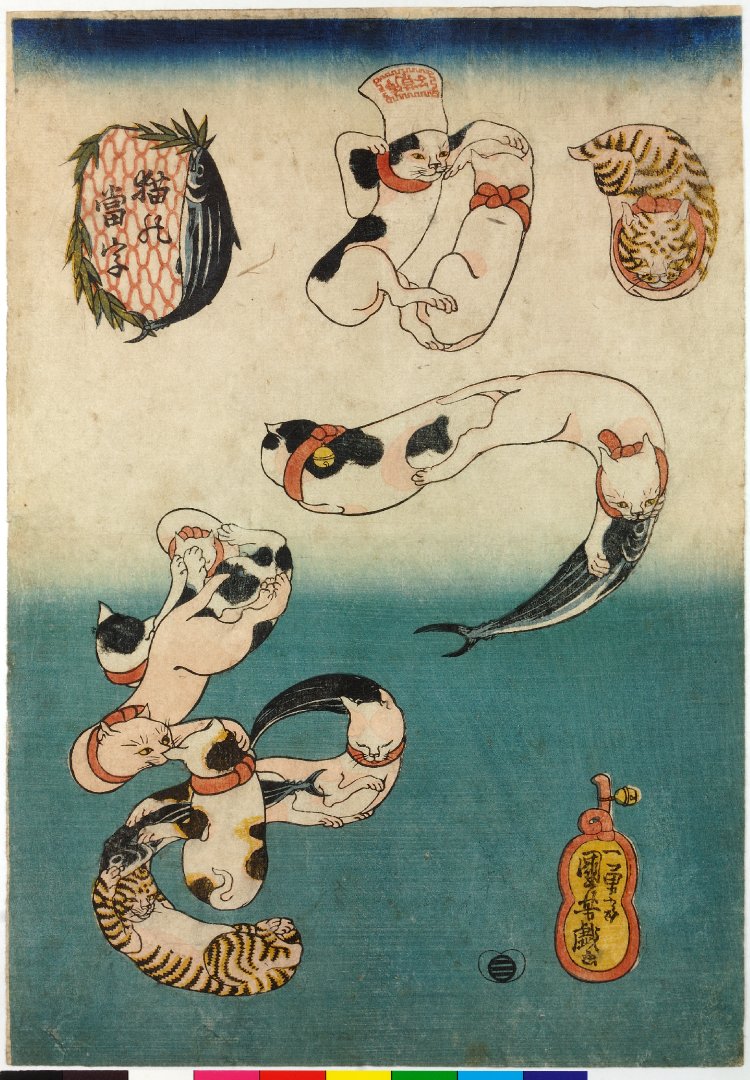
There is a famous Haiku poem composed during that era about the first bonito:
Green leaves to the eyes, A cuckoo's song in the mountains, And the first bonito.
This is a masterpiece that appeals to our senses of sight (fresh green leaves), hearing (the cuckoo's song), and taste (the first bonito). Appreciating the changing seasons and the passage of time through all five senses is a uniquely beautiful Japanese aesthetic.
Nutritionally speaking, bonito is a highly recommended food. It is rich in high-quality protein and iron, which help build and circulate the blood. It is an excellent ingredient for building the stamina needed to beat the upcoming hot and humid climate of early summer.
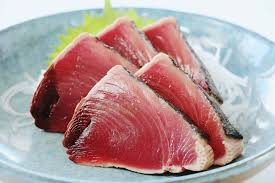
And without a doubt, one of the greatest things about Japan is being able to eat this delicious bonito at such an affordable price. It’s amazing that you can enjoy it for around just one US dollar!
To be precise, the fact that we can routinely enjoy such incredibly fresh bonito is all thanks to Japan's highly advanced seafood distribution network!