
News&Articles
2026.06.19
The Aesthetics of "Mijikayo"
The Aesthetics of "Mijikayo": Finding Mind-Body Balance on the Summer Solstice Through Haiku
June 21st is Geshi (the Summer Solstice), the day with the longest daylight and the shortest night of the year. In traditional Japanese culture, this fleeting, short night is affectionately called Mijikayo (短夜). Instead of complaining about the lack of sleep, people in the past found a delicate beauty in how quickly the morning arrives.
I would like to introduce a famous Haiku by the great poet Masaoka Shiki, whom I have mentioned before:
Mijikayo no / yume mo musubazu / akenikeri (The brief summer night— / Before I could even weave a dream, / The dawn has broken.)

This Haiku beautifully captures the feeling of waking up to a bright summer morning before fully sinking into a deep dream, expressing a subtle surprise and a touch of wistfulness.
Because Japan experiences such distinct seasonal changes, we have times when it stays light late into the evening and the sun rises very early in the morning. I believe the true charm of this Haiku lies in how it projects human emotions—such as a sense of fleetingness and slight solitude—onto these natural phenomena.
In my own home, we often go to bed early around 9:00 or 10:00 PM for the sake of my three-year-old son. Because of this, we wake up early at 5:00 or 6:00 AM. Even though the morning air is still cool, the sun is already shining brightly, allowing us to truly feel the unique atmosphere of the Summer Solstice.
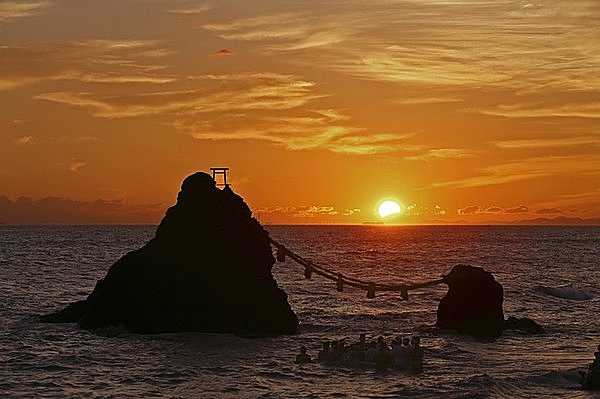
It is a pleasant season just before the intense heat sets in. Why not take a morning walk and enjoy a comfortable, refreshing start to your day?