
News&Articles
2026.07.11
Beating Summer Fatigue
Beating Summer Fatigue: "Doyo no Ushi no Hi" and Eastern Medicine's Energy Charge
As we enter mid-July, the intense heat of full-blown summer is approaching. Around this time in Japan, the savory aroma of grilled eel (unagi) begins to waft through the streets. This is in preparation for Doyo no Ushi no Hi (The Day of the Ox), which falls in late July.
Why do we eat eel in the summer? The custom of eating eel on the Day of the Ox is said to have spread during the Edo period. It is the ancient Japanese wisdom of Kui-yojo (dietary wellness)—eating eel, which is rich in vitamins and nutrients for stamina, to survive the hot and humid Japanese summer that easily drains one's physical strength.
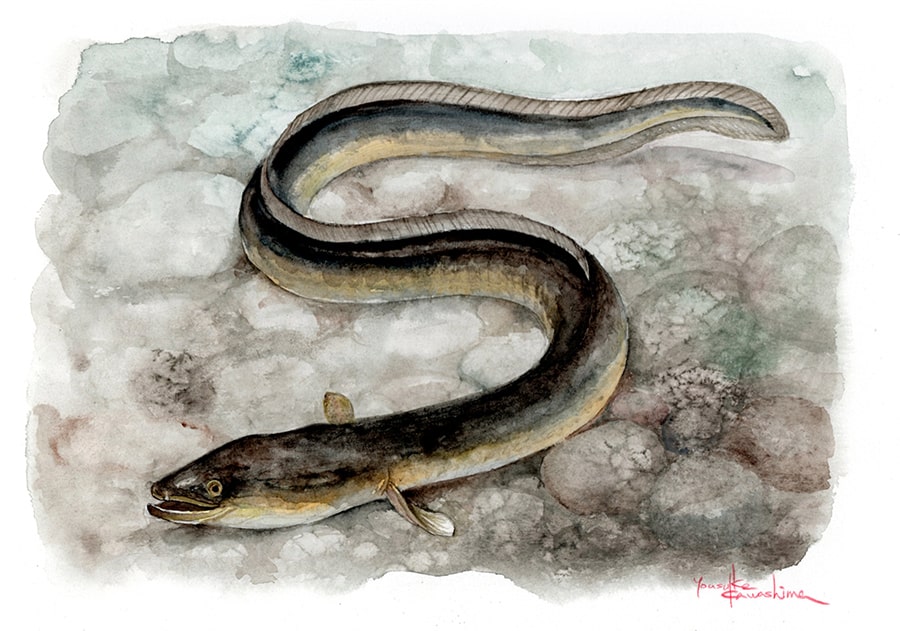
In Eastern medicine, eel is also considered a wonderful food that replenishes the body's "Qi" (vital energy). However, there is one thing to be careful about. Even if you eat highly nutritious eel, your body cannot absorb its nutrients if your stomach and intestines are weakened by the summer heat or from drinking too many cold beverages. We especially want foreign residents and visitors, who may be unfamiliar with Japan's harsh summer climate, to take good care of their digestive systems and safely make it through the season.
How People Spent the Summer in the Edo Period So, how did people in the Edo period spend this hot and humid summer around the Day of the Ox? Let me introduce a few interesting Edo-period customs.
-
Doyo-kyu (Moxibustion) to Prevent Summer Fatigue During this time of year, when it is the hottest and physical energy is easily depleted, it was common to proactively practice the folk remedy of moxibustion. This form of preventive medicine helped regulate the digestive system and boost immunity against summer fatigue and illnesses. It was widely believed that "moxibustion applied on the Day of the Ox is highly effective," and many people received this treatment before facing the peak of summer.
-
Ushi-yu (Herbal Baths) In the Edo period, when there were no air conditioners, heat rashes and skin diseases were troublesome and sometimes even life-threatening. If bacteria infected weakened skin, it could easily lead to serious illnesses. Therefore, on the Day of the Ox, there was a custom of taking a hot herbal bath called Ushi-yu, infused with peach leaves, chameleon plant (dokudami), and green tea. They detoxified their bodies by sweating profusely and kept their skin clean.
-
Foods Starting with the Letter "U" The reason people started eating eel in the first place was actually due to a scholar named Hiraga Gennai. He famously wrote a promotional sign saying, "Today is the Day of the Ox," for an eel restaurant that was struggling with dropping sales in the summer. Before this clever marketing, people traditionally ate other foods starting with the letter "U" to prevent summer fatigue, such as umeboshi (pickled plums), udon noodles, and uri (gourds and melons). All of these are highly recommended foods even today for people with weakened stomachs.
The hot and humid Japanese summer can be tough, but we hope that foreign residents and visitors will fully enjoy these uniquely Japanese ways of experiencing the season!