
News&Articles
2026.07.12
Beautiful Summer "Kigo"
Tasting the Japanese Summer Through Words: Beautiful Summer "Kigo"
As we reach mid-July, the blue of the sky above us has grown even deeper. Today, I would like to explore the feeling of a Japanese summer through our literary expressions.
In Haiku, a traditional Japanese short poem, there is a strict rule that you must include one Kigo—a word that signifies a specific season. I would like to introduce three beautiful and highly evocative Kigo that color the Japanese summer.
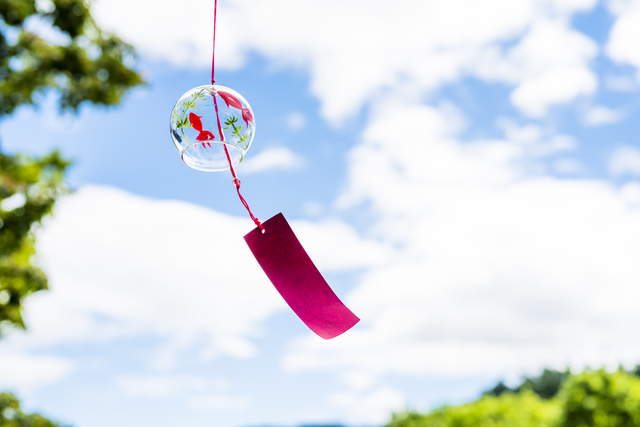
1. Semishigure (Cicada Shower) This word compares the overwhelming, synchronized chorus of countless cicadas to a sudden, heavy downpour of rain (shigure). It is a uniquely Japanese expression that finds the power of nature and the true essence of summer within an almost deafening noise.
2. Kumo no Mine (Peaks of Clouds) This refers to the massive, towering cumulonimbus clouds that billow up in the summer sky, looking like giant mountain peaks. Their overwhelming, towering presence makes us feel the intense vitality of mid-summer.
3. Yusuzumi (Enjoying the Evening Cool) This is the practice of stepping out onto a porch or near the water at dusk to enjoy the refreshing breeze after the severe daytime heat has subsided. Entrusting oneself to the transition of nature and savoring this pleasant moment is a luxurious time in the Japanese summer.
Just as a haiku captures the delicate changes of nature in only 17 syllables, the Japanese heart holds a deep appreciation for living life in harmony with the changing seasons. To all the foreign residents in Japan: I completely understand the feeling of thinking, "The Japanese summer is too hot and unbearable," but I would be delighted if you could open your hearts just a little to the unique emotions hidden within it.
Let me share a few famous haiku that use the words I just introduced.
"Furiidete / iyoyo takanaru / semishigure" (Pouring down, the cicada shower rings louder and louder.)
This poem describes the cicadas' chorus echoing louder and louder, as if a rainstorm has just begun. It is an expression that finds the raw power of nature and the scenery of summer in the midst of a noisy chorus. When you read this haiku, you look at the letters with your eyes or hear the words with your ears, but immediately after, the sound of the cicadas undeniably echoes within your mind. Accessing another sense through sight or hearing—this sensory crossover is the fascinating part of haiku.
Let me introduce one more:
"Kumo no mine / ikutsu kuzurete / tsuki no yama" (How many peaks of clouds have crumbled away, to reveal the mountain of the moon.)
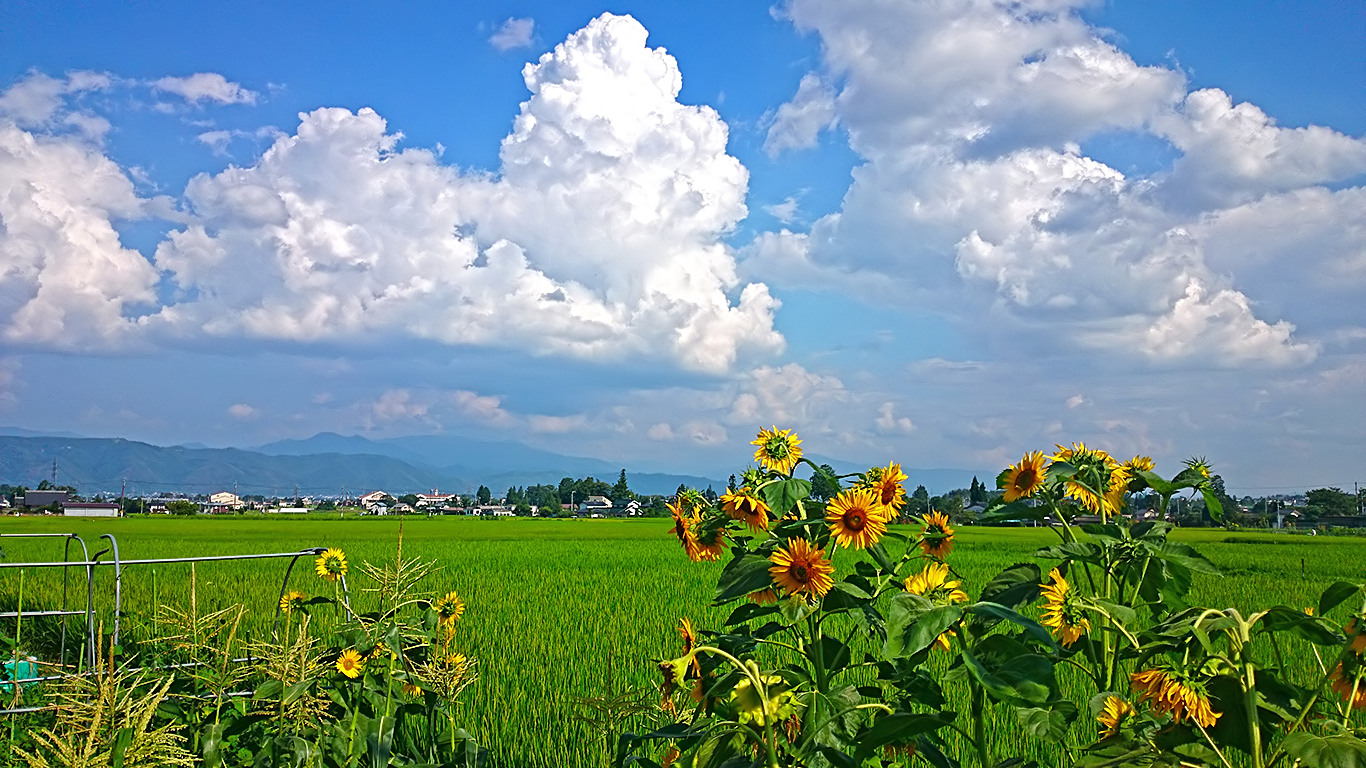
I wonder how many giant cloud peaks that surged up during the day have crumbled away to reveal this quiet, beautiful, moonlit mountain at night? This haiku depicts the grand transition of nature from the overwhelming vitality of summer during the day to the deep silence of the night.
Living in the city, we often tend to forget the emotional beauty of the seasons. But if you just look up, you will notice the beauty of the vast sky and the grandeur of the giant clouds. Furthermore, when listening to the sound of cicadas, one might emotionally wonder, "Could this be the reincarnated soul of a dear friend or family member who passed away, calling out to me?" I believe this kind of sensitivity is very characteristic of the Japanese people. This is rooted in the fact that reincarnation has been believed in Japan since ancient times.
To all the expats and foreign visitors in Japan: there will be many times this summer when the heat feels unbearable, but I hope we can find joy in the season together by embracing these subtle emotional experiences.