
News&Articles
2026.07.26
"The Fox's Wedding"
Yuudachi (Evening Showers) and "The Fox's Wedding"
For those of you spending the summer in Japan, I am sure you are feeling the intense heat every single day. We actually just had a Yuudachi (evening shower) today!
Yuudachi refers to the sudden, torrential rain that pours down like overturned buckets in the afternoon or evening. The smell of wet asphalt and the sudden drop in temperature offer a brief, refreshing escape from the summer heat. However, the rapid change in atmospheric pressure can also cause headaches for some people.
While this is simply a natural phenomenon, today I would like to introduce how Japanese people have historically interpreted this event.
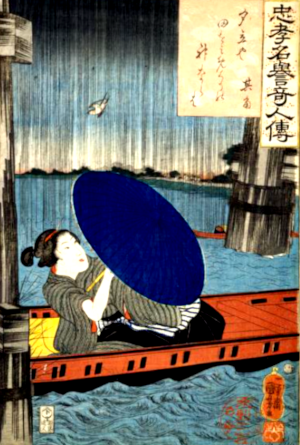
■ The Legend of "The Fox's Wedding" Sometimes during these summer showers, it rains while the sun is still shining brightly—a sunshower. In Japan, this specific type of weather has long been called Kitsune no Yomeiri, or "The Fox's Wedding."
In Japanese mythology and folktales, foxes are mystical creatures with the magical power to shape-shift and trick humans. Faced with the strange phenomenon of rain falling while the sun shines, people in the old days believed, "The foxes are holding a secret wedding procession, using the rain to hide themselves so humans won't see them." Projecting human customs like weddings onto animals and viewing natural phenomena as magic is a beautiful example of the animism deeply rooted in the Japanese mindset.
■ Foxes and Inari Shrines So, why did the fox become such a special animal to the Japanese? Among the many shrines you see in Japan, you will often come across "Inari Shrines." The difference between an Inari Shrine and others is quite clear: if you see fox statues guarding the entrance instead of Komainu (guardian dogs), it is definitely an Inari Shrine.
For ancient Japan, which was centered around agriculture, the simultaneous arrival of the sun and a sunshower (blessed rain) meant the absolute best conditions for crops to grow. Furthermore, in an agricultural nation, foxes were highly appreciated creatures because they hunted the mice that ate the crops. As a result, the "God of Agriculture" and the "crop-protecting fox" became intertwined, and the fox began to be worshipped as a sacred messenger of the deity. O-Inari-sama holds a very special place in the hearts of Japanese people.
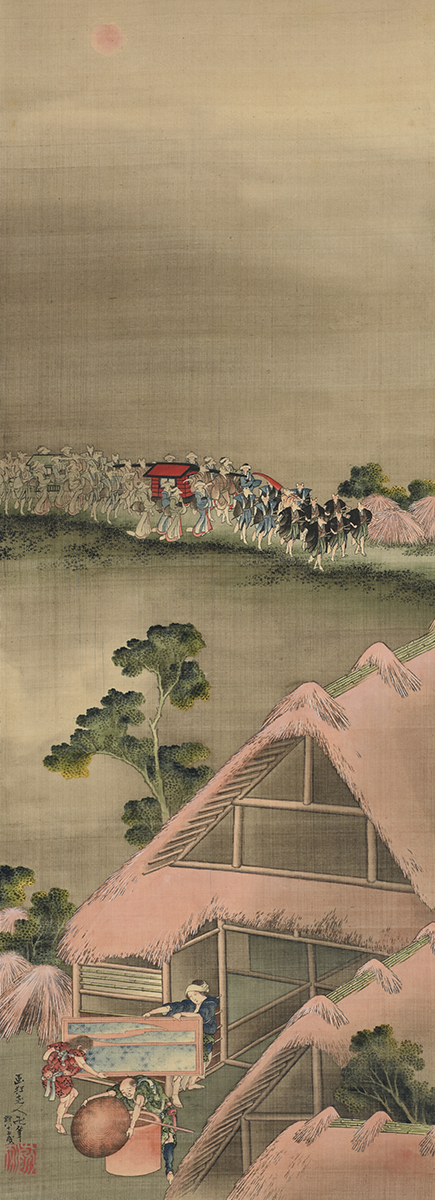
■ Influence on Art and Culture These Japanese philosophies have also been heavily influenced by cultural and artistic works. Many famous Ukiyo-e (woodblock print) artists, such as Katsushika Hokusai and Utagawa Hiroshige, created masterpieces depicting "The Fox's Wedding." In more modern times, the world-renowned film director Akira Kurosawa beautifully yet terrifyingly portrayed this ritual in a segment titled "Sunshine Through the Rain" in his movie Dreams. Because he is such a globally celebrated director, some foreign film fans might already be familiar with the visual of the "Fox's Wedding."
While sudden evening showers can sometimes be an inconvenience, I hope knowing this cultural background allows you to enjoy the Japanese summer just a little bit more!