
News&Articles
2026.09.16
Otsukimi and the Long Autumn Nights
Otsukimi and the Long Autumn Nights: Japan's Beloved "Mid-Autumn Moon"
As September turns into October, the intense summer heat finally fades, and a cool, pleasant breeze begins to blow. In Japan, we welcome the beautiful cultural tradition of Otsukimi, the custom of viewing the "Mid-Autumn Moon" (Harvest Moon).
More Than Just Looking at the Moon Otsukimi is not simply about looking up at the night sky. Traditionally, we decorate with Susuki (pampas grass) and offer Tsukimi Dango (moon dumplings) to the moon. The pampas grass is likened to rice ears and serves as a charm to ward off evil spirits. Meanwhile, the round dumplings represent the full moon and are offered to show gratitude for the bountiful autumn harvest.
The Aesthetics of "Aki no Yonaga" (Long Autumn Nights) In Japan, there is a phrase called Aki no Yonaga (the long autumn nights). People in the past spent these quiet, extended evenings enjoying reading, art, and composing poetry. Ancient aristocrats wouldn't look directly at the moon in the sky; instead, they gazed at its reflection elegantly floating on the surface of a pond or in a cup of sake, expressing its delicate beauty through short poems like Waka and Haiku.
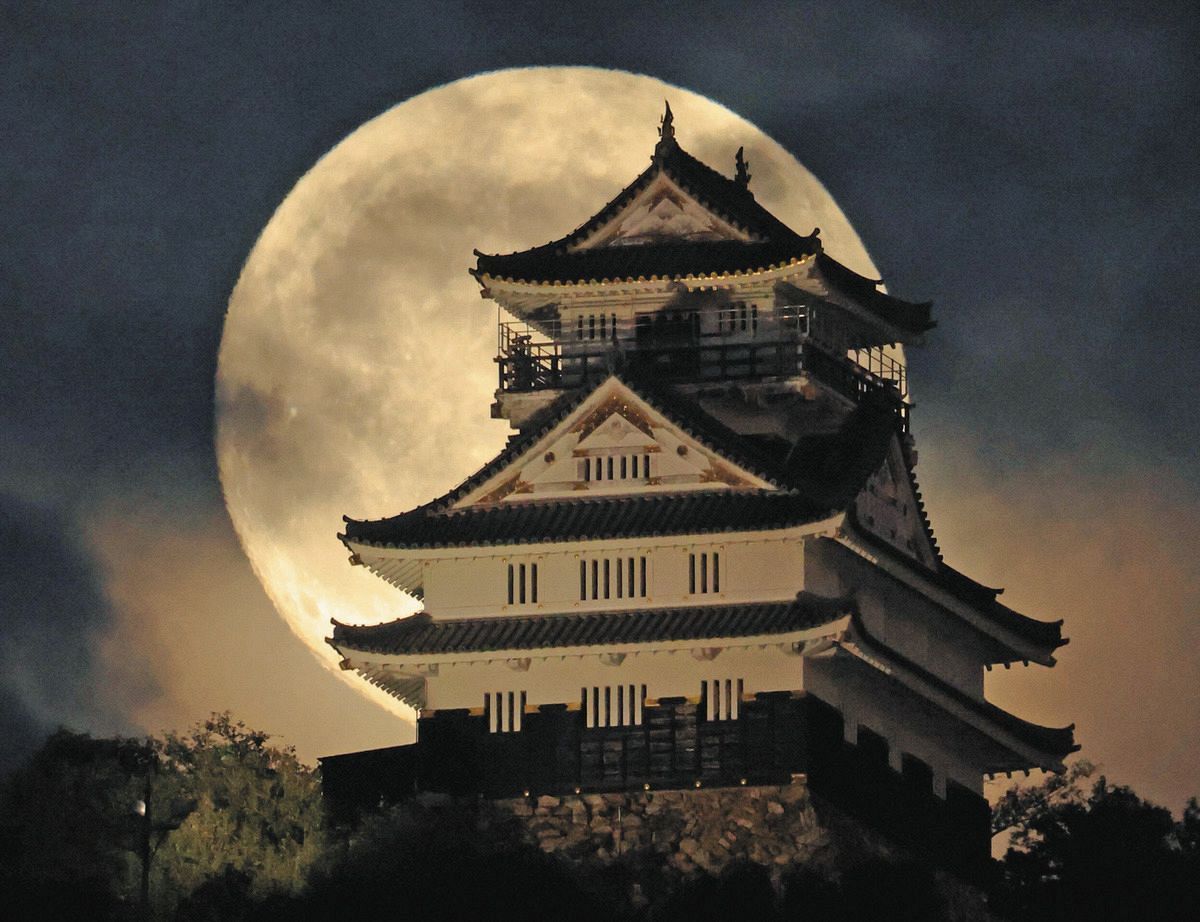
Here, I would like to introduce a famous Waka poem from the Hyakunin Isshu that perfectly captures this season: "Akikaze ni / tanabiku kumo no / taema yori / moreizuru tsuki no / kage no sayakesa" (How clear and bright the moonlight is, shining through the rifts of clouds drifting in the autumn wind.)
As the days grow shorter and the cool air sets in, why not step outside for a moment to feel the autumn breeze and gaze at the moon? I hope the autumn nights in Japan will be a peaceful and beautiful experience for all our international friends.