
News&Articles
2026.06.23
Japan's Rainy Season
The Harshness of Japan's Rainy Season: Eastern Medicine Wisdom for Overcoming "Meteoropathy"
The sticky, uncomfortable days of the rainy season continue. During this time of year, many patients visit our clinic suffering from what is known as "meteoropathy" (weather-related fatigue)—experiencing symptoms like heavy headaches, severe lethargy that makes it hard to get out of bed, and fatigue that won't go away no matter how much they sleep.
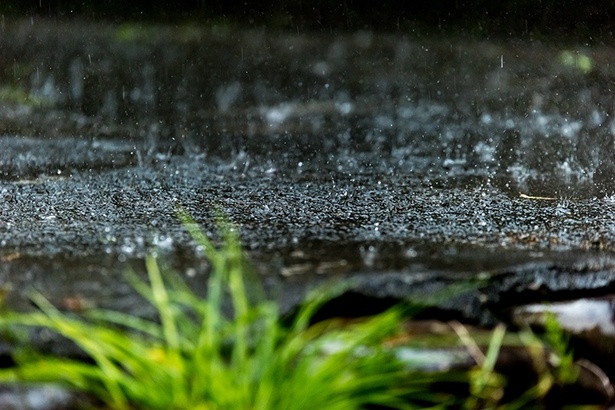
Having lived and worked abroad for several years, I have experienced many different climates firsthand. It made me realize just how uniquely intense Japan's hot and humid climate is compared to the rest of the world. Among all the different environments, Japan's "Tsuyu" (rainy season) is exceptionally harsh on the human body.
It’s not just about the rain. The rollercoaster-like fluctuations in barometric pressure send the autonomic nervous system—which controls functions like body temperature—into a state of panic. Furthermore, the inescapable humidity prevents sweat from evaporating from the skin. Excess water accumulates inside the body, stagnating like muddy water, which weighs you down and cools your core from the inside out.
In Western medicine, these symptoms are often brushed off as "general malaise." However, in Eastern medicine, it is crucial to properly eliminate this internal dampness and build a body that can withstand barometric changes.
Here are some highly recommended foods that act as natural dehumidifiers to help flush out excess water from your system:
-
Foods to Drain Excess Water: Corn, Black Beans, and Adzuki Beans Beans and corn act like internal dehumidifiers. I particularly recommend "corn silk" (the fine threads at the top of an ear of corn). It has a strong diuretic effect and is excellent for flushing out retained water.
-
"Yakumi" (Japanese Herbs) to Improve Circulation and Warm the Gut: Ginger, Shiso (Perilla), and Myoga (Japanese Ginger) Excess internal water damages your stomach and weakens your digestive power. Herbs and spices like ginger, shiso, and myoga help warm a gut that has been chilled by cold drinks, promote sweating, and get stagnant energy moving again.
While some of these ingredients might be unfamiliar to expats living in Japan, incorporating them into your daily diet is a powerful technique for surviving Japan's severe hot and humid season.